
Many Geneva patients leave a cleaning and wonder why some stains are gone while others remain. Understanding what your teeth cleaning actually removes — and what it doesn’t — in Geneva helps set realistic expectations. Dental Cleanings do a lot of important work, but they aren’t the same as a cosmetic whitening treatment. Knowing the difference can help you plan your next step toward a brighter smile.
What a Professional Teeth Cleaning Actually Removes
A professional dental cleaning targets two main things: plaque and tartar. Plaque is a soft, sticky film of bacteria that coats your teeth daily. When plaque hardens over time, it becomes tartar, also called calculus. Your toothbrush cannot remove tartar at home — only a dental hygienist can do that safely.
During your visit, the hygienist uses specialized instruments to scrape away tartar buildup. This process is called scaling. It removes deposits from the tooth surface and along the gumline. Skipping regular cleanings allows tartar to accumulate, which increases your risk of gum disease.
Cleanings also polish the tooth surface using a gritty prophylaxis paste. This paste buffs away light surface stains from coffee, tea, or red wine. The result is a noticeably cleaner and slightly brighter appearance. However, this polishing step has real limits when it comes to deeper discoloration.
Which Stains a Cleaning Can — and Cannot — Remove in Geneva
Surface stains, called extrinsic stains, sit on the outer enamel layer. These respond well to professional polishing. Common sources include coffee, tea, tobacco, and certain foods. After a cleaning, these stains often look significantly reduced or removed entirely.
Intrinsic stains are a different story. These stains live inside the tooth structure itself. They develop from aging, certain medications, fluorosis, or past dental trauma. Professional polishing cannot reach these deeper stains. No amount of scaling will change the internal color of the tooth enamel.
- Extrinsic stains (removable with cleaning): Coffee and tea discoloration, tobacco surface buildup, light food-based staining, plaque-related yellowing near the gumline
- Intrinsic stains (not removable with cleaning): Age-related darkening, tetracycline antibiotic staining, fluorosis (white or brown spots), trauma-related discoloration
Understanding this distinction helps Geneva patients avoid disappointment after a routine cleaning. A cleaning restores your natural tooth color by removing buildup. It does not change your tooth’s baseline shade.
When You Need Teeth Whitening Instead
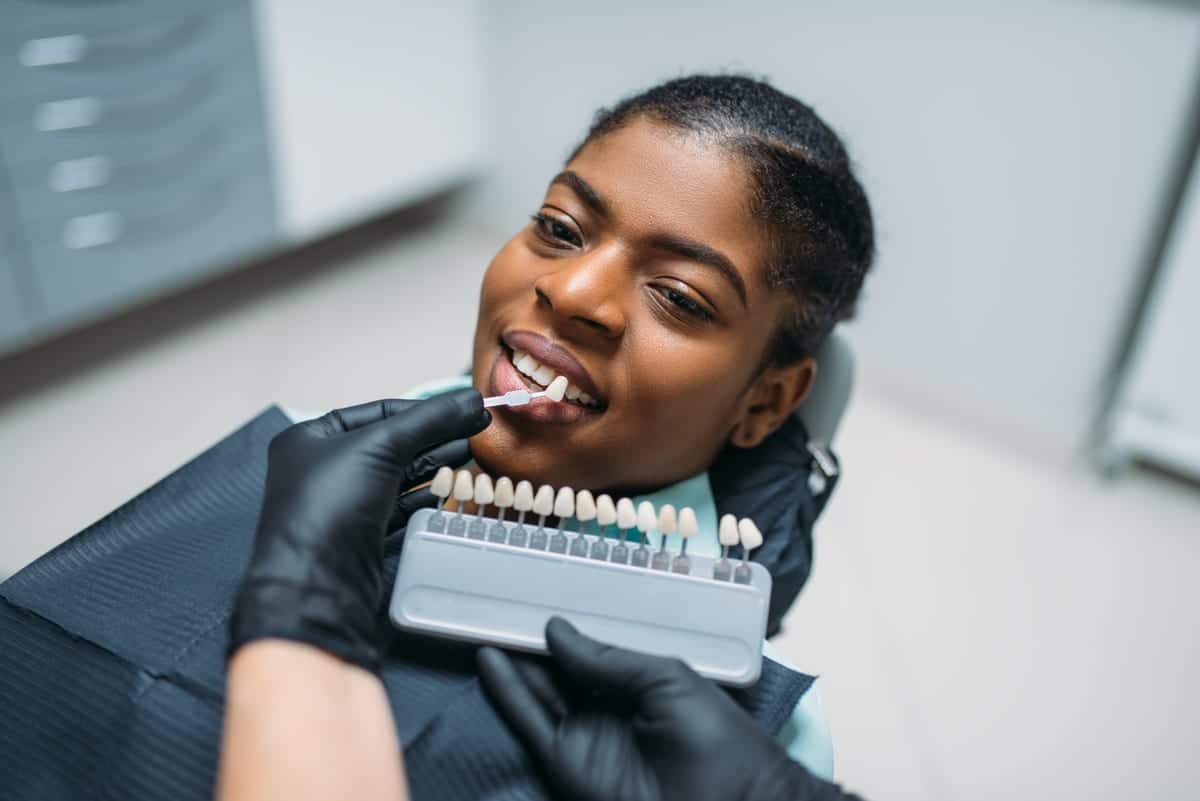
If your smile still looks dull after a cleaning, whitening may be the right next step. Professional whitening uses peroxide-based agents that penetrate enamel. These agents break apart the compounds causing deeper discoloration. The result is a lighter baseline shade — something a cleaning alone cannot achieve.
At St Charles Family Dentistry, Dr. John Perisin can evaluate your staining type during your visit. He will help you determine whether a cleaning is enough or whether whitening makes sense for your goals. There is no single answer that fits everyone. Your tooth color history, lifestyle habits, and desired results all factor into the recommendation.
It is also worth noting that whitening works best on natural tooth enamel. Crowns, veneers, and bonding do not respond to whitening agents. If you have existing restorations, your treatment plan may need to account for color matching. Dr. Perisin will walk you through all of this in a personalized consultation.
For patients interested in more dramatic changes, Cosmetic Dentistry options like veneers or professional whitening can complement your cleaning results. These treatments address what a cleaning simply cannot fix on its own.
What to Expect During Your Teeth Cleaning Visit
Knowing what happens during a cleaning removes a lot of anxiety. Most patients find the appointment straightforward and comfortable. Here is a general overview of what the process looks like at our office:
- Examination: The hygienist checks for signs of gum disease, cavities, or other concerns before cleaning begins.
- Scaling: Specialized tools remove tartar and hardened plaque from above and below the gumline.
- Polishing: A gritty paste buffs away light surface stains and smooths the enamel surface.
- Flossing: Professional flossing clears debris between teeth and checks for gum sensitivity.
- Rinse: A fluoride rinse or treatment may be applied to strengthen enamel and protect against decay.
- Review: Dr. Perisin reviews your results and discusses any next steps, including whitening if you are interested.
Most cleanings take between 45 minutes and one hour. Patients with significant tartar buildup may need a deeper cleaning called scaling and root planing. The hygienist will let you know if that applies to you.
How Often Geneva Patients Should Schedule Cleanings
Most adults benefit from a professional cleaning every six months. This schedule prevents tartar from accumulating between visits. It also gives the dental team a chance to catch problems early, before they become costly or painful.
Some patients need more frequent cleanings. People with gum disease, a history of heavy tartar buildup, or certain health conditions may benefit from visits every three to four months. Dr. Perisin will recommend a schedule based on your individual oral health needs.
- Every 6 months — standard recommendation for most healthy adults
- Every 3–4 months — recommended for patients managing gum disease
- Every 12 months — sometimes appropriate for patients with very low risk and excellent home care
Staying consistent with your cleaning schedule is one of the most effective things you can do for your long-term oral health. It also makes each cleaning faster and more comfortable, since less buildup accumulates between visits.
Keeping Your Results Bright Between Visits
Your habits at home play a significant role in how long your post-cleaning brightness lasts. Brushing twice daily with a fluoride toothpaste helps prevent new plaque from forming. Flossing daily removes debris from areas your brush cannot reach. Limiting staining beverages like coffee and red wine slows the return of surface stains.
Using a straw for dark drinks reduces direct contact with enamel. Rinsing with water after meals also helps dilute staining compounds. These habits do not replace professional cleanings, but they extend the results significantly. Patients who maintain good hygiene routines often notice their smiles stay brighter longer between appointments.
Conclusion
Understanding what a teeth cleaning removes — and what it doesn’t — helps Geneva patients make smarter choices about their oral care. A professional cleaning eliminates tartar, plaque, and surface stains. It restores your natural tooth color, but it cannot change the underlying shade of your enamel. For deeper discoloration, whitening or other cosmetic options may be the right fit. Dr. John Perisin and the team at St Charles Family Dentistry are here to help you find the approach that works best for your smile. Book Now to schedule your appointment with our team.
Frequently Asked Questions
Does a teeth cleaning whiten your teeth?
A professional cleaning removes surface stains and tartar buildup, which can make your teeth look brighter. However, it does not whiten the underlying shade of your enamel. For a noticeably whiter smile, professional whitening treatments are a more effective option.
Why do my teeth still look yellow after a cleaning?
If your teeth appear yellow after a cleaning, the discoloration is likely intrinsic — meaning it comes from within the tooth structure. Aging, certain medications, and genetics can all cause this type of staining. A cleaning removes surface buildup but cannot change the internal color of the tooth. Whitening treatments or cosmetic options may help in these cases.
How long do cleaning results last?
Most patients maintain their post-cleaning results for several months with proper home care. Surface stains can return more quickly if you regularly consume coffee, tea, or tobacco. Brushing, flossing, and rinsing consistently helps extend your results between professional visits.
Is teeth polishing safe for enamel?
Yes, professional polishing is safe when performed by a trained hygienist. The prophylaxis paste used during cleaning is gentle enough for regular use. Some patients with sensitive teeth may request a lighter polish, which the hygienist can accommodate.
What is the difference between a regular cleaning and a deep cleaning?
A regular cleaning removes plaque and tartar from the visible tooth surfaces and just below the gumline. A deep cleaning, called scaling and root planing, goes further beneath the gumline to treat gum disease. Dr. Perisin will evaluate your gum health and recommend the appropriate type of cleaning for your situation.