
Many adults in Wayne are choosing to straighten their teeth for the first time. The big question is always the same: Invisalign vs. braces — which actually works better for adults in Wayne? Both options can deliver beautiful results. But they differ significantly in comfort, appearance, cost, and the types of cases they can treat.
At St Charles Family Dentistry, Dr. John Perisin helps adults weigh these options every day. This article breaks down the key differences so you can make a confident, informed decision.
Comfort and Daily Experience: Invisalign vs. Braces for Adults
Traditional braces use metal brackets and wires bonded directly to your teeth. They apply continuous pressure to move teeth into position. For adults, the physical discomfort can be noticeable — especially after tightening appointments.
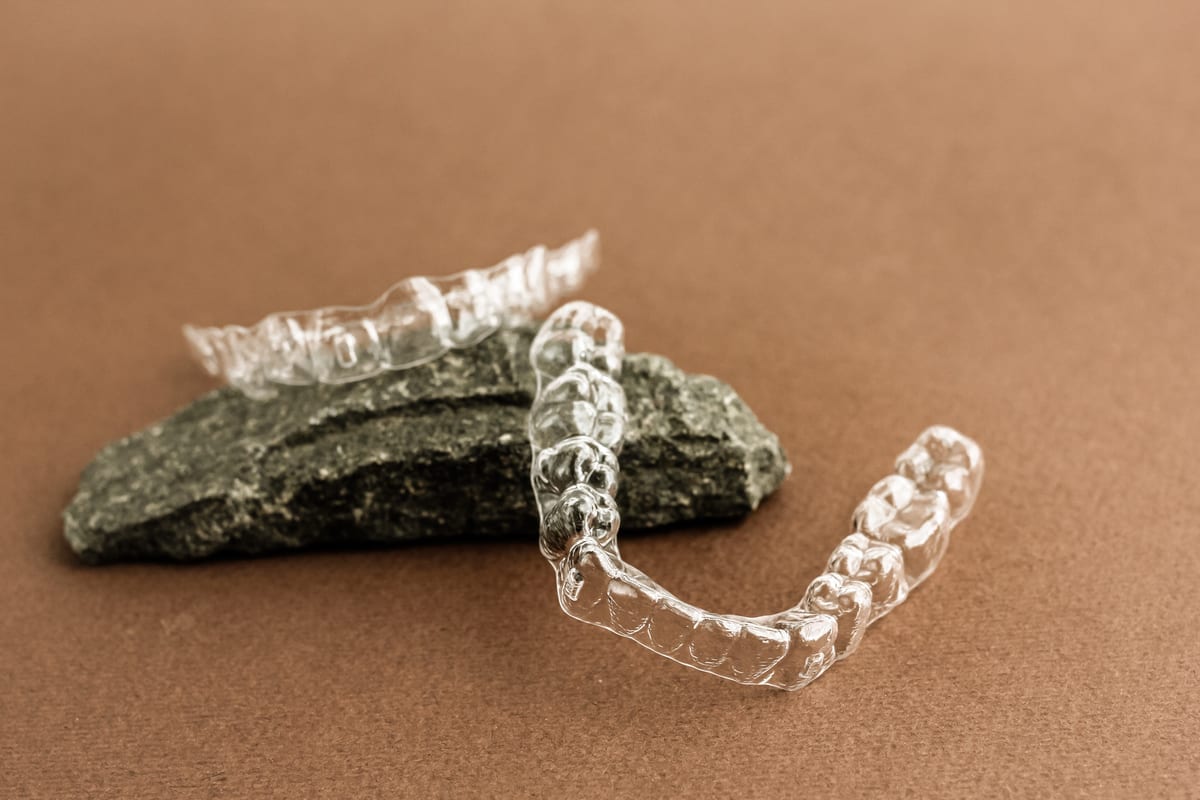
Invisalign uses a series of smooth, custom-fitted plastic aligners. Most adults find them significantly more comfortable than metal braces. There are no wires to poke and no sharp brackets to irritate your cheeks or gums.
Braces can also make eating certain foods difficult. Hard, sticky, and crunchy foods are off-limits throughout treatment. Invisalign aligners are removable, so your diet stays completely unrestricted.
Here is a quick comfort comparison:
- Invisalign: Smooth plastic, removable, no food restrictions
- Traditional braces: Metal brackets, fixed, dietary limitations apply
- Soreness after adjustments: Both options cause mild soreness as teeth shift
- Oral hygiene: Invisalign is easier to brush and floss around
Appearance and Visibility: Which Option Is More Discreet?
Appearance is one of the top concerns for adults considering orthodontic treatment. Many Wayne adults work in professional environments. They want a discreet solution that does not draw attention during meetings or social settings.
Invisalign aligners are nearly invisible when worn. Most people will not notice them unless they look closely. This makes Invisalign a popular choice among working professionals and parents alike.
Traditional metal braces are highly visible. Even ceramic braces, which blend better with tooth color, are more noticeable than clear aligners. If discretion matters to you, Invisalign has a clear advantage here.
That said, appearance is only one factor. The best choice depends on your full picture — including the complexity of your bite and alignment issues.
Treatment Scope: What Can Each Option Actually Fix?
This is where the comparison gets more nuanced. Invisalign has improved dramatically over the past decade. It can now treat a wide range of alignment issues that once required traditional braces.
Invisalign works well for:
- Mild to moderate crowding
- Spacing and gaps between teeth
- Mild overbites and underbites
- Crossbites in many cases
- Open bites with the right case profile
Traditional braces still hold an edge for complex orthodontic cases. Severe crowding, significant bite problems, and cases requiring precise tooth rotation often respond better to braces. Dr. Perisin will evaluate your bite thoroughly before recommending either option.
Both treatments are part of broader Cosmetic Dentistry goals — improving not just alignment but your overall smile confidence. Adults who combine orthodontic treatment with teeth whitening or veneers often see the most dramatic transformations.
Cost, Timeline, and Compliance: The Adult Reality
Cost is a real consideration for adults in Wayne weighing their options. Invisalign and braces are often priced similarly, though costs vary based on case complexity and treatment length. Dr. Perisin’s team will provide a transparent cost breakdown during your consultation.
Treatment timelines are also comparable. Most adult cases with either option take between 12 and 24 months. Invisalign can sometimes be faster for mild cases. Complex cases treated with braces may take longer but often achieve more precise results.
Here is the critical compliance factor adults must understand: Invisalign only works if you wear the aligners. The recommended wear time is 20 to 22 hours per day. Adults who remove aligners too often will extend their treatment or see incomplete results.
Traditional braces require no compliance decision — they are always working. For adults who know they may forget to wear aligners consistently, braces may actually be the smarter choice. Honest self-assessment matters here.
Maintaining Your Smile After Orthodontic Treatment
Whichever option you choose, long-term results depend on what you do after treatment ends. Retainers are required for both Invisalign and braces patients. Without a retainer, teeth gradually shift back toward their original positions.
Maintaining excellent oral health throughout treatment is equally important. Regular Dental Cleanings help prevent cavities and gum issues that can interrupt your orthodontic progress. Dr. Perisin’s team monitors your overall dental health alongside your alignment goals.
Adults in Wayne who invest in straightening their teeth often find the experience motivates better long-term dental habits. Straighter teeth are genuinely easier to clean. That means fewer cavities and healthier gums over time.
Which Option Is Right for You?
There is no universal answer to the Invisalign vs. braces debate for adults in Wayne. The right choice depends on your alignment needs, lifestyle, budget, and personal preferences. A thorough exam and digital bite analysis give Dr. Perisin the information needed to guide you clearly.
Some adults are ideal Invisalign candidates. Others will achieve better outcomes with traditional braces. Many adults are surprised to learn their case is simpler than they thought — and that Invisalign can handle it effectively.
The best next step is a face-to-face consultation. Dr. Perisin takes time to explain every option without pressure. You leave with a clear treatment plan that fits your life. Book Now to schedule your appointment with our team.
Frequently Asked Questions
Is Invisalign as effective as braces for adults?
Invisalign is highly effective for mild to moderate alignment cases in adults. For complex bite issues or severe crowding, traditional braces may deliver more precise results. Dr. Perisin will evaluate your specific case to recommend the most effective option for your smile goals.
How long does Invisalign treatment take for adults?
Most adult Invisalign cases take between 12 and 18 months. Simple cases can sometimes be completed in as little as 6 months. Complex cases may require up to 24 months. Your treatment timeline depends on the severity of your alignment issues and how consistently you wear your aligners.
Do adults in Wayne prefer Invisalign over braces?
Many adults prefer Invisalign because of its discreet appearance and removable convenience. However, preference is only part of the equation. The right choice depends on your dental needs, compliance habits, and budget. Dr. Perisin helps adults in the Wayne and St. Charles area make that decision confidently.
Can I switch from braces to Invisalign mid-treatment?
In some cases, patients can transition from braces to Invisalign during treatment. This depends on how much movement has already been achieved and what remains. Dr. Perisin can assess your current progress and determine whether a mid-treatment switch makes clinical sense for your situation.
Does Invisalign require more dental visits than braces?
Invisalign typically requires check-in appointments every 6 to 8 weeks. Traditional braces usually require tightening appointments every 4 to 6 weeks. Both require regular monitoring. Invisalign appointments are generally shorter since there are no wires to adjust — just a quick progress check and new aligner sets.