
Thinking about transforming your smile with veneers? You are not alone. Many patients in St. Charles ask us the same question: Are you actually a candidate for dental veneers? Take this quiz concept and self-screening guide to find out before your first appointment. Understanding candidacy helps you walk in informed and confident. Dr. John Perisin and the team at St Charles Family Dentistry make this process simple, clear, and stress-free.
What Are Dental Veneers and Who Are They For?
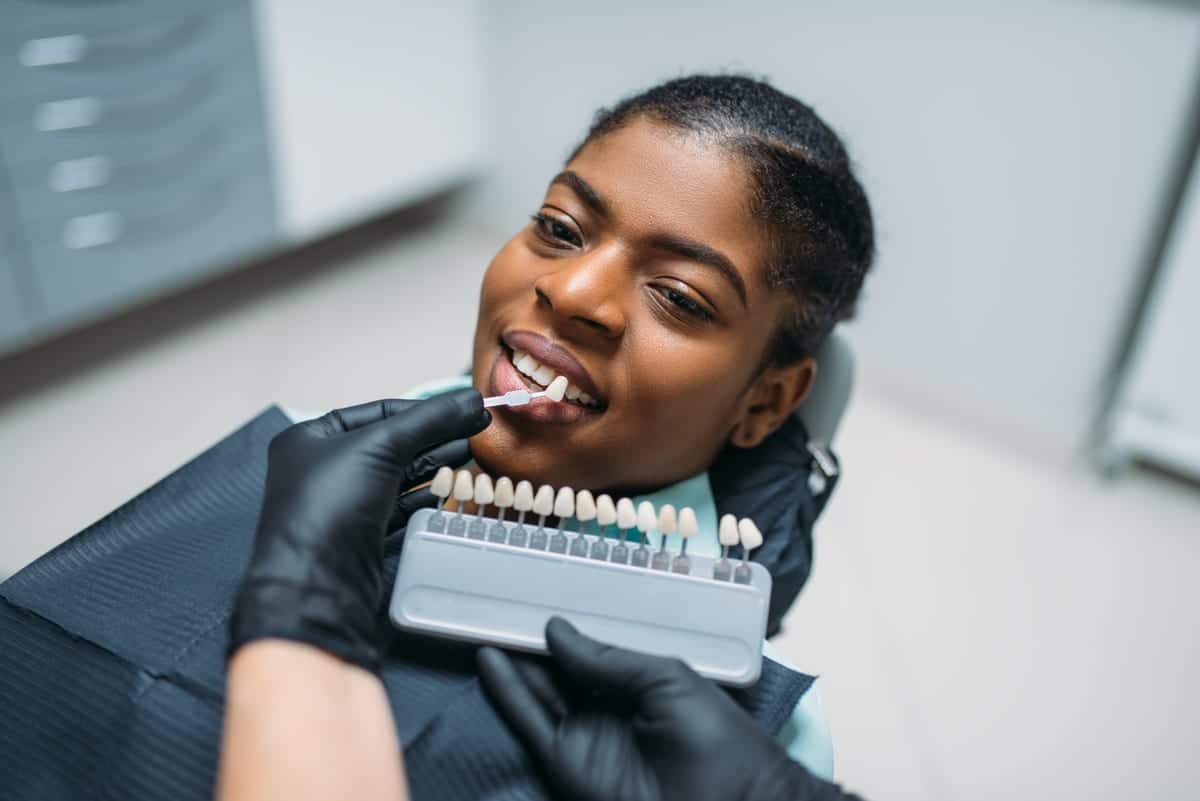
Veneers are ultra-thin shells of porcelain or composite resin. They bond directly to the front surface of your teeth. They correct staining, chips, gaps, and minor misalignment. They are a popular part of Cosmetic Dentistry St. Charles patients trust every year.
Veneers are not a one-size-fits-all solution. They work best for people with specific smile concerns and good overall dental health. Not every patient qualifies on the first visit. That is why candidacy screening matters so much.
Good candidates generally want to improve smile appearance rather than fix serious structural damage. They have healthy enough teeth and gums to support the process. They are also committed to maintaining results over the long term.
The Self-Screening Quiz: Are You a Candidate for Dental Veneers in St. Charles?
Work through each question below honestly. This is not a formal diagnosis — it is a starting point. Your actual candidacy depends on a full clinical exam with Dr. Perisin. Think of this as your prep work before that conversation.
Question 1: Are your teeth generally healthy? Veneers require a solid foundation. Active decay or infection must be treated first. If you have untreated cavities, you are not yet ready for veneers.
Question 2: Do you have enough enamel? The bonding process removes a thin layer of enamel. That process is irreversible. Patients with very thin or heavily worn enamel may not have enough surface for a strong bond.
Question 3: Are your gums healthy and stable? Gum disease creates inflammation that affects how veneers fit and last. Healthy gum tissue is essential before any cosmetic work begins. Regular Dental Cleanings St. Charles patients receive help catch and treat gum issues early.
Question 4: Do you grind or clench your teeth? Bruxism puts extreme pressure on veneers. It can crack or chip them over time. If you grind your teeth, a night guard may be recommended before or alongside veneers.
Question 5: Is your bite balanced? A misaligned bite increases stress on veneers. It can shorten their lifespan significantly. Dr. Perisin evaluates bite mechanics as part of every veneer consultation.
Key Requirements: Tooth Structure, Gum Health, and Bite Considerations
Let us break down the clinical side in more detail. Each factor plays a role in whether veneers will work for you long term.
Tooth Structure: You need sufficient enamel thickness. Veneers rely on enamel bonding for strength and longevity. Patients who have had extensive grinding or acid erosion may need alternative treatments first.
Gum Health: Inflamed or receding gums change the margin where veneers meet your teeth. This affects both aesthetics and durability. Patients must reach a stable gum health baseline before placement.
Bite Alignment: Even minor bite imbalances can create excessive force on one or two veneers. This leads to premature wear or failure. Orthodontic treatment or bite adjustment may need to come first.
Here is a quick summary of the key physical requirements:
- Adequate enamel thickness on the front teeth
- No active gum disease or untreated decay
- Stable bite with no severe misalignment
- No severe teeth grinding without a management plan
- Realistic expectations about what veneers can and cannot fix
Habits and Lifestyle Factors That Affect Candidacy
Your daily habits matter just as much as your tooth structure. Some habits work against veneer success. Others protect your investment for years to come.
Habits that may disqualify or delay candidacy:
- Nail biting or chewing on pens and ice
- Heavy coffee, tea, or red wine consumption without consistent oral hygiene
- Tobacco use, which weakens gum tissue and stains restorations
- Untreated bruxism with no protective appliance in place
- Poor brushing and flossing habits that lead to ongoing decay
These habits do not automatically rule you out. Many patients address them before starting the veneer process. Dr. Perisin takes a whole-health approach to cosmetic treatment planning.
Habits that support long-term veneer success: Brushing twice daily and flossing consistently protects veneers and surrounding teeth. Wearing a night guard if you grind prevents cracking. Attending routine dental visits keeps everything looking and functioning well.
What Happens If You Are Not Quite Ready Yet?
Not passing this self-screening quiz is not a dead end. It simply means there is prep work ahead. Most patients can achieve candidacy with the right treatment sequence.
For example, gum disease treatment can restore healthy tissue in a matter of months. Treating decay removes infection and strengthens remaining tooth structure. Orthodontic work or bite adjustments can create the right foundation for long-lasting veneers.
Dr. Perisin and the St Charles Family Dentistry team create individualized roadmaps. They outline every step needed before cosmetic treatment begins. You will never feel rushed or pressured into a timeline that is not right for you.
The goal is always long-term success. A few extra months of preparation can add years to your veneer results. That planning phase is an investment in your smile’s future.
Conclusion: Take the Next Step Toward Your Best Smile
Now you have a clearer picture of what veneer candidacy actually involves. You know the key factors — tooth structure, gum health, bite balance, and daily habits. You also know that not being ready today does not mean you cannot get there. The team at St Charles Family Dentistry is here to guide you through every step of the process. Book Now to schedule your appointment with our team.
Frequently Asked Questions
How do I know if I have enough enamel for veneers?
A dentist evaluates enamel thickness during a clinical exam. X-rays and visual assessment help determine whether your teeth have enough surface for a secure bond. Dr. Perisin performs this evaluation during your veneer consultation at St Charles Family Dentistry.
Can I get veneers if I have gum disease?
Not until the gum disease is treated and your gum health is stable. Active gum disease affects how veneers fit and can cause premature failure. Once your gums are healthy, you may become an excellent candidate for veneers.
Do veneers work if I grind my teeth?
Teeth grinding does not automatically disqualify you. However, it must be managed before or alongside veneer placement. A custom night guard protects your veneers and extends their lifespan significantly.
Are dental veneers permanent?
Veneers are considered a permanent treatment because enamel removal is irreversible. The veneers themselves are not permanent — they typically last 10 to 20 years with proper care. Replacement veneers are placed when the original ones wear over time.
What is the difference between veneers and dental crowns?
Veneers cover only the front surface of a tooth. Crowns cap the entire tooth and are used when more structural support is needed. Dr. Perisin helps patients choose the right option based on their specific dental condition and goals.