
Many patients ask Dr. John Perisin the same question before their first whitening appointment. Is professional teeth whitening safe for your enamel and gums in St. Charles? It is a fair concern, and the answer matters. When performed correctly, professional whitening is both safe and effective. This article breaks down the real science behind whitening so you can make a confident, informed decision.
How Professional Teeth Whitening Works on Enamel
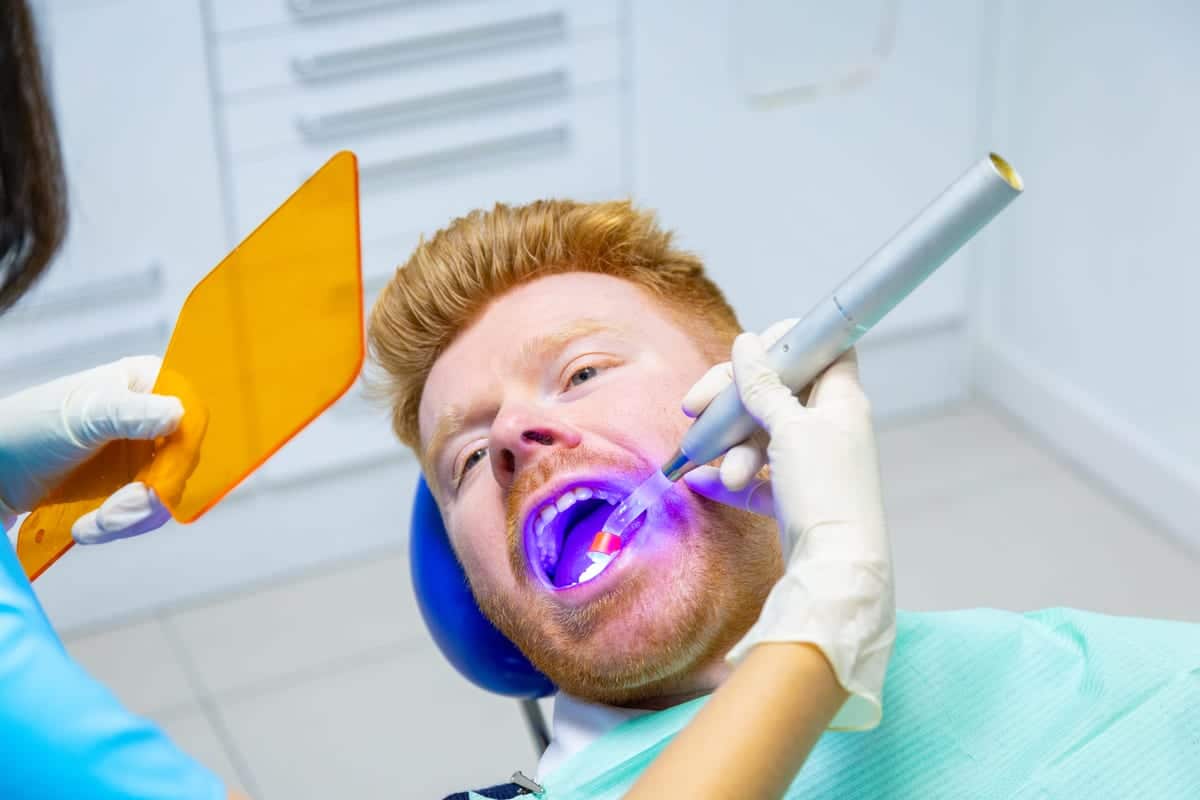
Professional whitening uses a peroxide-based gel to lift stains from within the tooth. The gel penetrates the enamel and breaks apart discolored molecules beneath the surface. This process does not strip or remove enamel — it chemically lightens it.
Enamel is the hardest substance in the human body. Research consistently shows that professional-strength whitening does not weaken enamel when used as directed. The key difference is concentration and supervision. Over-the-counter products often have inconsistent formulas, while in-office treatments are precisely dosed and professionally monitored.
Some patients notice mild surface sensitivity after treatment. This is temporary and typically resolves within 24 to 48 hours. It does not indicate enamel damage. It simply means the tubules inside your teeth are temporarily more reactive to temperature changes.
Is Professional Teeth Whitening Safe for Gum Tissue?
Gum safety is a legitimate concern with any whitening treatment. Peroxide gel can irritate soft tissue if it contacts the gums directly. This is exactly why professional treatments include custom protective barriers.
At St Charles Family Dentistry, Dr. Perisin isolates gum tissue before applying any whitening agent. This protective step prevents the gel from touching sensitive gum tissue. The result is effective whitening without unnecessary irritation.
Some mild, temporary gum sensitivity can still occur. This usually fades within a day or two and does not cause lasting harm. If you already have gum inflammation or periodontal disease, whitening should be postponed until your gum health improves. Treating underlying conditions first always leads to better whitening outcomes.
Who Should Be Cautious About Teeth Whitening in St. Charles
Professional whitening is not the right choice for every patient. Certain conditions require extra evaluation before proceeding. Dr. Perisin always reviews your full dental history before recommending any cosmetic treatment.
Patients who should use caution or postpone whitening include:
- Those with active cavities or untreated tooth decay
- Patients with exposed tooth roots due to gum recession
- Individuals with severe enamel erosion or wear
- Pregnant or nursing patients
- Children and teenagers under 16 years old
- Patients with known allergies to peroxide-based products
Dental restorations like crowns, veneers, and bonding do not respond to whitening gel. If you have visible restorations on front teeth, whitening may create uneven color. Your dentist can discuss realistic expectations before you commit to treatment.
Patients interested in a broader smile transformation may benefit from exploring Cosmetic Dentistry St. Charles options alongside whitening for a fully customized result.
What Makes Professional Whitening Safer Than Store-Bought Alternatives
Walk into any pharmacy and you will find dozens of whitening products. Strips, trays, pens, and toothpastes all promise results. But the safety profile of these products differs significantly from professional treatment.
Here is how professional whitening compares to over-the-counter options:
- Concentration control: Professional gels use precise peroxide levels suited to your tooth sensitivity
- Custom fit: Professional trays are molded to your teeth, reducing gel contact with gums
- Supervised application: A dentist monitors the process and can adjust treatment as needed
- Pre-treatment screening: Any existing dental issues are identified and addressed first
- Post-treatment care: You receive guidance to maintain results and protect enamel afterward
Store-bought whitening strips often sit unevenly across teeth. They can expose gum tissue to prolonged peroxide contact. Without a dental exam first, you may be whitening over untreated decay or sensitive areas — which can cause real discomfort.
Preparing Your Teeth for Safer Whitening Results
One of the best steps you can take before whitening is a professional cleaning. Plaque and surface buildup can block the whitening gel from reaching enamel evenly. A clean tooth surface allows the gel to work more effectively and safely.
Scheduling Dental Cleanings St. Charles before your whitening appointment is a simple way to maximize your results. It also gives Dr. Perisin a chance to assess your gum health and enamel condition in advance. This proactive step reduces the risk of sensitivity and uneven whitening.
After whitening, using a sensitivity toothpaste for one to two weeks can help calm any temporary discomfort. Avoiding heavily staining foods and drinks for 48 hours after treatment also helps preserve your results. Small habits make a meaningful difference in how long your whiter smile lasts.
Conclusion
Professional teeth whitening, when performed by a qualified dentist, is a safe and well-researched cosmetic treatment. The risks are minimal when your teeth and gums are healthy and the procedure is properly supervised. At St Charles Family Dentistry, Dr. John Perisin takes a thorough, patient-centered approach to every whitening consultation. Book Now to schedule your appointment with our team.
Frequently Asked Questions
Does professional teeth whitening damage enamel?
No. Clinical research shows that professional whitening does not damage or remove enamel when used correctly. You may experience temporary sensitivity, but this is not a sign of structural damage. Your dentist controls the concentration and duration to minimize any risk.
How long does sensitivity last after professional whitening?
Most patients experience mild sensitivity for 24 to 48 hours after treatment. Using a sensitivity toothpaste before and after can reduce discomfort significantly. If sensitivity persists beyond a few days, contact your dental office for guidance.
Can I whiten my teeth if I have crowns or veneers?
Whitening gel does not change the color of dental restorations like crowns, veneers, or bonding. If these restorations are visible on front teeth, whitening your natural teeth may create a color mismatch. Discuss your restoration history with Dr. Perisin before starting any whitening treatment.
How many shades whiter can I expect my teeth to get?
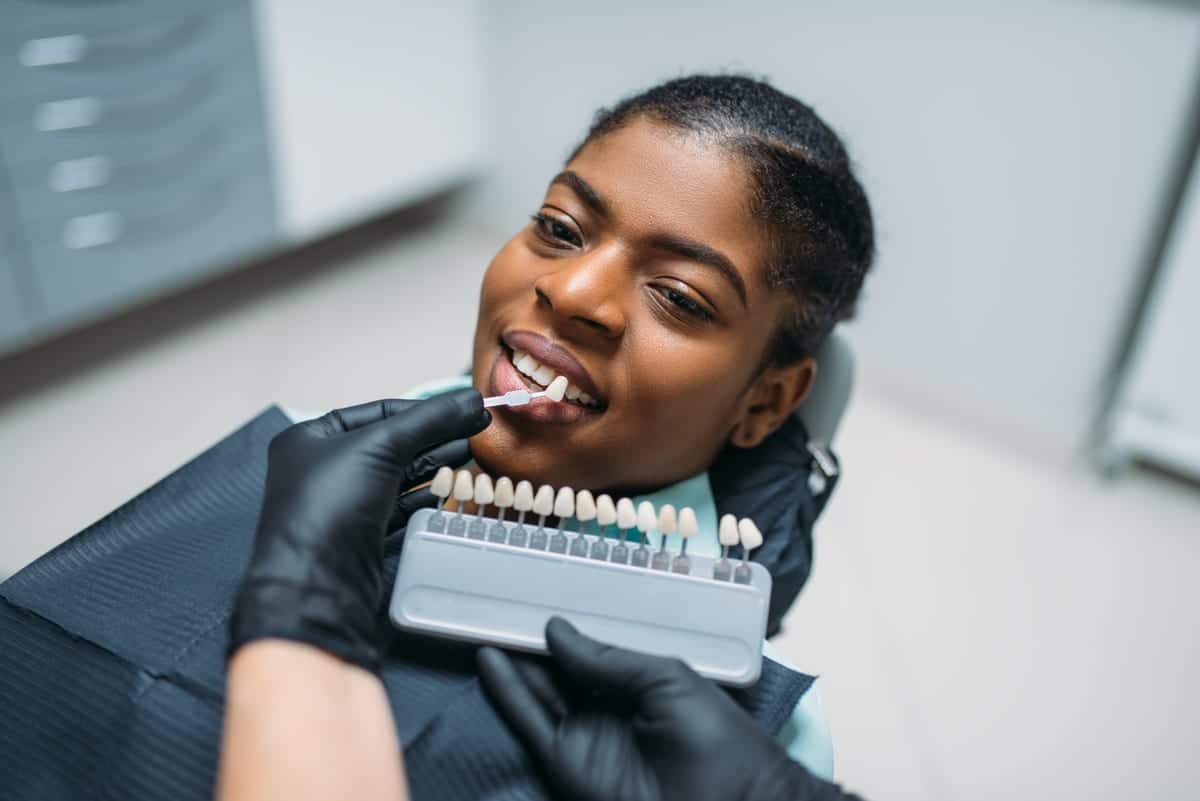
Results vary based on the original shade of your teeth and the type of staining present. Most patients achieve three to eight shades of improvement with professional treatment. Intrinsic stains caused by medications or fluorosis may respond differently than surface stains from food and drink.
How often should I get professional teeth whitening?
Most patients benefit from a touch-up treatment once every six to twelve months. Lifestyle habits like coffee, tea, and red wine consumption affect how quickly staining returns. Your dentist can recommend a maintenance schedule that fits your specific situation and keeps your enamel protected.