
Choosing the right dental crown material is a decision that affects your smile for years. When patients ask about porcelain vs zirconia vs metal — which crown does your tooth really need in St. Charles — the answer depends on where the tooth sits, how hard it works, and what you value most. Dr. John Perisin at St Charles Family Dentistry helps patients weigh every factor clearly. This guide breaks down each material so you can walk into your appointment feeling informed.
Understanding the Three Main Crown Materials
Dental crowns restore damaged, weakened, or broken teeth. They cap the existing tooth to protect it and restore normal function. The three most common materials are porcelain, zirconia, and metal — and each has a distinct set of strengths.
Porcelain crowns are made from a ceramic material that closely mimics the translucency of natural enamel. Zirconia is a newer ceramic material known for exceptional durability. Metal crowns — usually gold or a base-metal alloy — are the oldest and most time-tested option.
Each material suits different clinical situations. Understanding the differences helps you have a more productive conversation with Dr. Perisin at your next visit.
Porcelain Crowns: Beauty First, With Some Trade-Offs
Porcelain crowns are the go-to choice when aesthetics are the top priority. They blend seamlessly with surrounding teeth and work especially well for front teeth that are visible when you smile. Many patients seeking Cosmetic Dentistry St. Charles options choose porcelain for exactly this reason.
However, traditional porcelain has some limitations worth knowing. It is more brittle than zirconia or metal. It can chip under heavy biting forces, making it a less ideal choice for back molars.
- Best for front teeth and visible smile zones
- Excellent color match to natural teeth
- More prone to chipping under heavy use
- May require more tooth reduction during preparation
If your tooth needs a crown primarily for appearance and experiences moderate bite pressure, porcelain remains a strong candidate. Dr. Perisin will assess your bite and tooth position before recommending it.
Zirconia Crowns: The Modern Standard for Strength and Aesthetics
Zirconia has quickly become one of the most popular crown materials in modern dentistry. It offers a powerful combination of durability and a natural appearance. Unlike traditional porcelain, zirconia rarely chips or fractures under pressure.
Zirconia is biocompatible, meaning your gum tissue responds well to it. It is also metal-free, which matters to patients with sensitivities. Full-contour zirconia crowns are particularly well-suited for back teeth that experience heavy chewing forces.
- Extremely strong — resists cracking and chipping
- Natural-looking, especially with layered zirconia
- Metal-free and biocompatible
- Suitable for both front and back teeth
- Long lifespan with proper care
For many patients in St. Charles, zirconia represents the best balance of form and function. It handles the demands of everyday chewing while still looking like a natural tooth. Dr. Perisin often recommends it for molars and premolars where strength is critical.
Metal Crowns: Unmatched Durability for High-Stress Teeth
Metal crowns — including gold and metal alloys — have been used in dentistry for generations. Their longevity record is remarkable. A well-placed metal crown can last 20 to 30 years or longer with routine care including Dental Cleanings St. Charles.
The obvious drawback is appearance. Metal crowns are visible and do not match natural tooth color. This makes them a practical but not cosmetic solution. Most patients prefer to place them on second molars far back in the mouth.
Metal crowns require the least amount of tooth structure removal during preparation. They are also gentler on opposing teeth than zirconia in some cases. For patients who grind their teeth heavily, gold crowns may actually be the most protective option.
Cost can vary with metal crowns depending on the alloy used. Gold crowns tend to cost more due to material pricing. Base-metal alloy crowns offer durability at a lower price point.
How Dr. Perisin Chooses the Right Crown for Your Tooth
No two teeth — and no two patients — are exactly alike. Dr. Perisin evaluates several key factors before recommending a crown material. The location of the tooth in your mouth plays a major role. Front teeth visible in your smile have different needs than back molars used for grinding.
Bite force is another important consideration. Patients who clench or grind may need a stronger material even for visible teeth. The health of the surrounding gum tissue and bone also influences the decision.
Here is a simplified breakdown of when each material shines:
- Porcelain: Front teeth, moderate bite forces, aesthetic priority
- Zirconia: Front or back teeth, high strength needs, metal-free preference
- Metal: Back molars, heavy grinders, maximum longevity needed
During your consultation, Dr. Perisin explains the reasoning behind every recommendation. You leave with a clear understanding of your options — not just a prescription. That transparent approach is central to care at St Charles Family Dentistry.
Cost Comparison: What to Expect for Each Material
Crown costs vary depending on the material, the complexity of the case, and the lab work involved. Porcelain crowns typically fall in the mid-price range. Zirconia crowns are often similarly priced and sometimes slightly higher due to the milling technology required.
Metal crowns made from gold alloys can cost more because of material costs. Base-metal alloy crowns are generally the most affordable option overall. However, cost should never be the only factor in choosing a crown material.
A crown that fails early due to wrong material selection costs more in the long run. Investing in the right material the first time saves time, discomfort, and money. Dr. Perisin walks through expected costs with you before any work begins.
Conclusion: Making the Right Crown Decision in St. Charles
Understanding porcelain vs zirconia vs metal — which crown does your tooth really need in St. Charles — starts with a thorough evaluation from an experienced dentist. Each material has a place in modern dental care. The right choice depends on your tooth’s location, your bite, your aesthetic goals, and your long-term needs.
Dr. John Perisin and the team at St Charles Family Dentistry guide patients through this decision with care and clarity. You deserve a crown that fits your life — not just your tooth. Book Now to schedule your appointment with our team.
Frequently Asked Questions
How long do dental crowns typically last?
Most dental crowns last between 10 and 20 years with proper care. Metal and zirconia crowns tend to last longer than traditional porcelain ones. Regular dental checkups and cleanings extend the life of any crown significantly.
Is zirconia better than porcelain for back teeth?
In most cases, yes. Zirconia handles heavy chewing forces better than traditional porcelain. It resists chipping and cracking, which makes it a strong choice for molars and premolars. Dr. Perisin can confirm which material suits your specific tooth after examination.
Do metal crowns show when you smile?
Metal crowns are visible and do not match natural tooth color. Most patients choose to place them on second molars at the back of the mouth where they are less noticeable. If aesthetics matter, porcelain or zirconia are better front-tooth options.
Will a dental crown look natural?
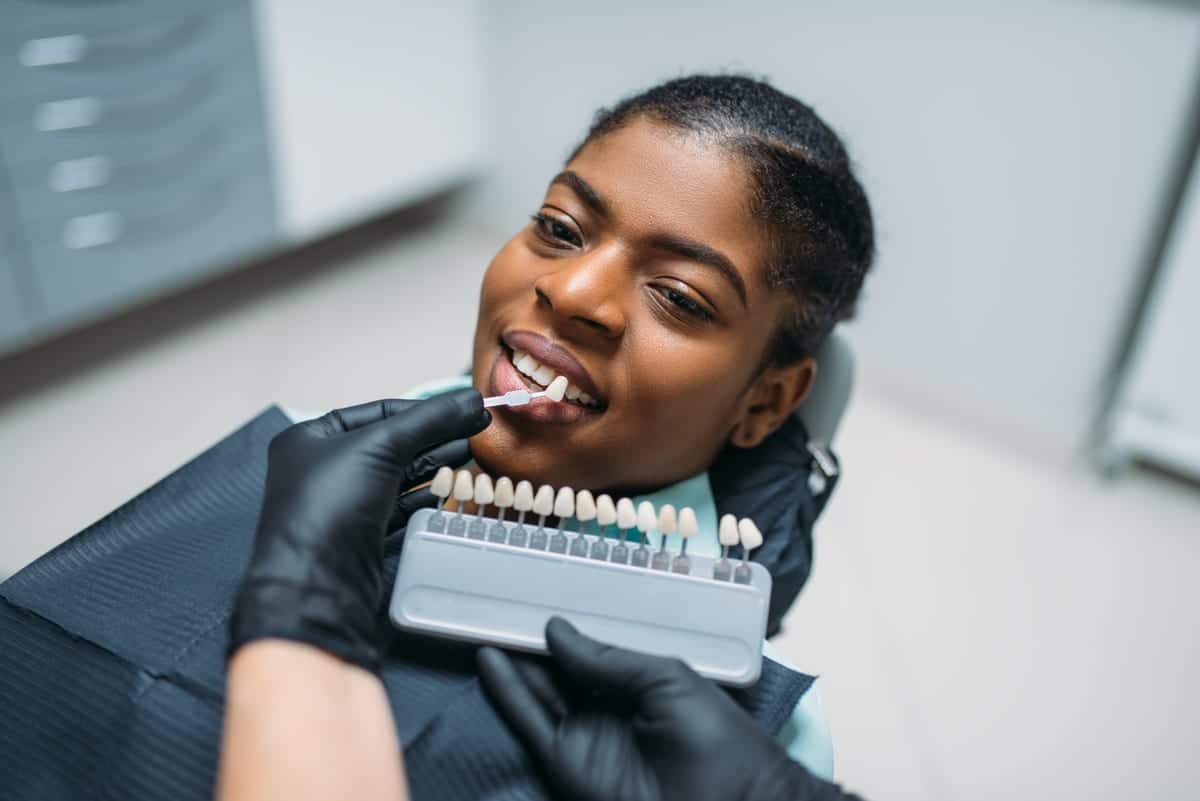
Both porcelain and zirconia crowns can look very natural. Porcelain closely mimics the translucency of real enamel. Layered zirconia also produces an excellent cosmetic result. Dr. Perisin matches the shade to your surrounding teeth for a seamless finish.
How do I care for a dental crown?
Care for a crown just as you would a natural tooth. Brush twice daily, floss carefully around the crown margin, and visit St Charles Family Dentistry for regular cleanings. Avoid biting very hard objects like ice or hard candy to prevent chipping.