
Do these 5 symptoms mean you need a root canal now in St. Charles? That question matters more than most people realize. Many patients ignore early warning signs, hoping the pain fades on its own. Unfortunately, dental infections rarely resolve without treatment — and waiting almost always makes things worse.
At St Charles Family Dentistry, Dr. John Perisin sees this pattern regularly. Patients arrive with tooth pain they have tolerated for weeks. By then, the infection has often spread, and treatment becomes more complex. Knowing what to watch for can protect your smile and your overall health.
What Is a Root Canal and Why Would You Need One?
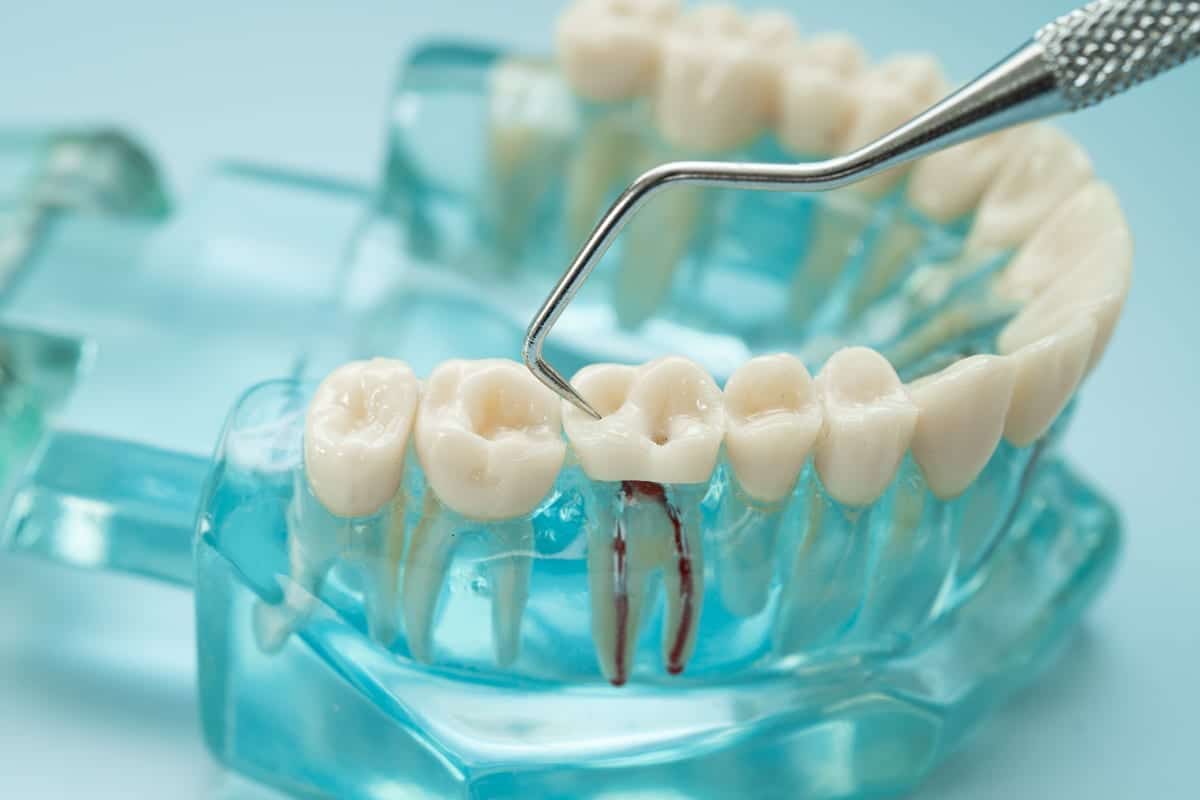
A root canal is a procedure that removes infected or damaged pulp from inside a tooth. The pulp contains nerves and blood vessels. When bacteria reach the pulp — through a crack, cavity, or injury — infection sets in fast.
The goal of root canal treatment is to save your natural tooth. Without it, extraction often becomes the only remaining option. Losing a tooth creates its own chain of problems, including bone loss and shifting of surrounding teeth.
Root canals have an undeserved reputation for being painful. Modern techniques and local anesthesia make the procedure far more comfortable than most patients expect. The pain you feel before treatment is typically far worse than the procedure itself.
The 5 Symptoms That May Mean You Need a Root Canal Now in St. Charles
Recognizing these warning signs early gives you the best chance at a straightforward, successful outcome. Here are the five key symptoms Dr. Perisin wants every St. Charles patient to understand.
- Persistent or severe toothache: Pain that lingers, throbs, or intensifies when you bite down is a serious warning sign. This type of discomfort rarely disappears without treatment.
- Prolonged sensitivity to heat or cold: Sensitivity that lingers for more than a few seconds after the temperature trigger is removed suggests nerve involvement inside the tooth.
- Darkening or discoloration of the tooth: A tooth that has turned gray or dark may indicate that the internal pulp tissue has died or is dying.
- Swelling or tenderness in the gums: A small pimple-like bump on the gums near a tooth — called a dental abscess — signals active infection that needs immediate attention.
- Pain when chewing or touching the tooth: Consistent discomfort during everyday activities like eating suggests the infection may have reached the root tip or surrounding bone.
Not every symptom appears at once. Some patients experience only one or two. That does not mean the problem is minor — it means you should see a dentist promptly for evaluation.
Why Waiting Makes Everything Worse
This is the section most patients wish they had read sooner. Dental infections do not stay contained. They spread through the jawbone, into surrounding teeth, and in serious cases, into the bloodstream.
When an abscess ruptures without treatment, bacteria can reach your neck and chest. This condition — called Ludwig’s angina — is a medical emergency. While rare, it is entirely preventable with timely dental care.
Beyond serious health risks, delaying treatment affects your procedure outcome. An early-stage infection is easier to treat. The surrounding tissue is healthier, the tooth structure is more intact, and recovery is typically faster.
Waiting also increases the chance you will lose the tooth entirely. Extraction triggers a different set of long-term concerns. Replacing a missing tooth with a dental implant is effective, but it is a longer and more involved process than a root canal would have been.
How Dr. Perisin Diagnoses and Treats Root Canal Infections in St. Charles
Dr. Perisin begins with a thorough clinical exam and digital X-rays. These images reveal infection at the root level that is not visible to the naked eye. He evaluates your symptoms, reviews your dental history, and explains exactly what he finds.
If root canal treatment is recommended, here is what the process looks like at St Charles Family Dentistry:
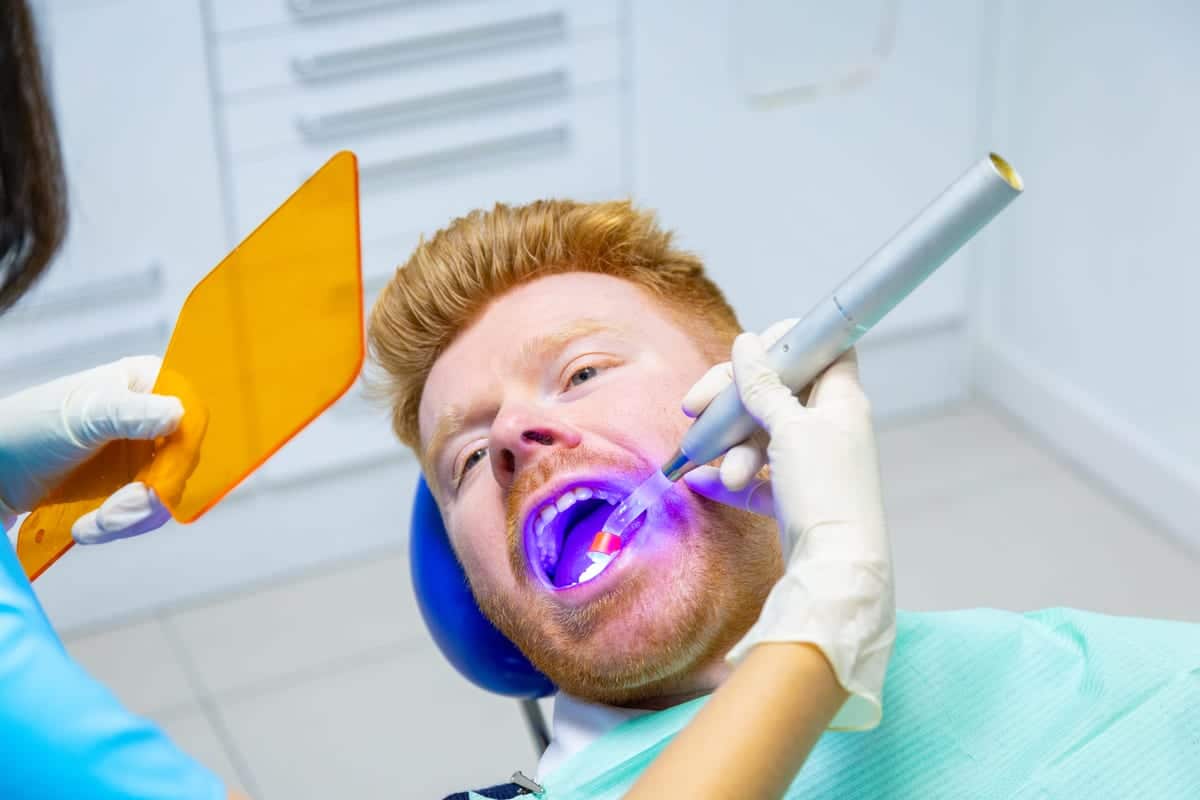
- Anesthesia: The area around the tooth is numbed completely before treatment begins.
- Access opening: A small opening is made in the top of the tooth to reach the infected pulp.
- Pulp removal: The damaged tissue is carefully removed using specialized instruments.
- Cleaning and shaping: The root canals are cleaned, shaped, and disinfected thoroughly.
- Sealing: The canals are filled with a biocompatible material and sealed to prevent reinfection.
- Crown placement: A dental crown is typically placed at a follow-up visit to protect and restore the tooth.
Most patients are surprised by how manageable the appointment feels. Mild soreness afterward is normal and usually resolves within a few days with over-the-counter pain relief.
Protecting Your Smile Before and After Treatment
Root canal treatment addresses the current infection. Protecting your smile long-term requires consistent preventive care. Routine Dental Cleanings St. Charles are one of the most effective ways to catch problems before they reach the pulp.
During a professional cleaning, your hygienist removes buildup that your toothbrush cannot reach. Dr. Perisin also performs a thorough exam at each visit. Early detection of cavities and cracks prevents many root canal situations entirely.
After your root canal, follow Dr. Perisin’s care instructions closely. Avoid chewing on the treated tooth until your permanent crown is placed. Brush twice daily, floss daily, and return for scheduled checkups. These simple habits protect your investment in your smile.
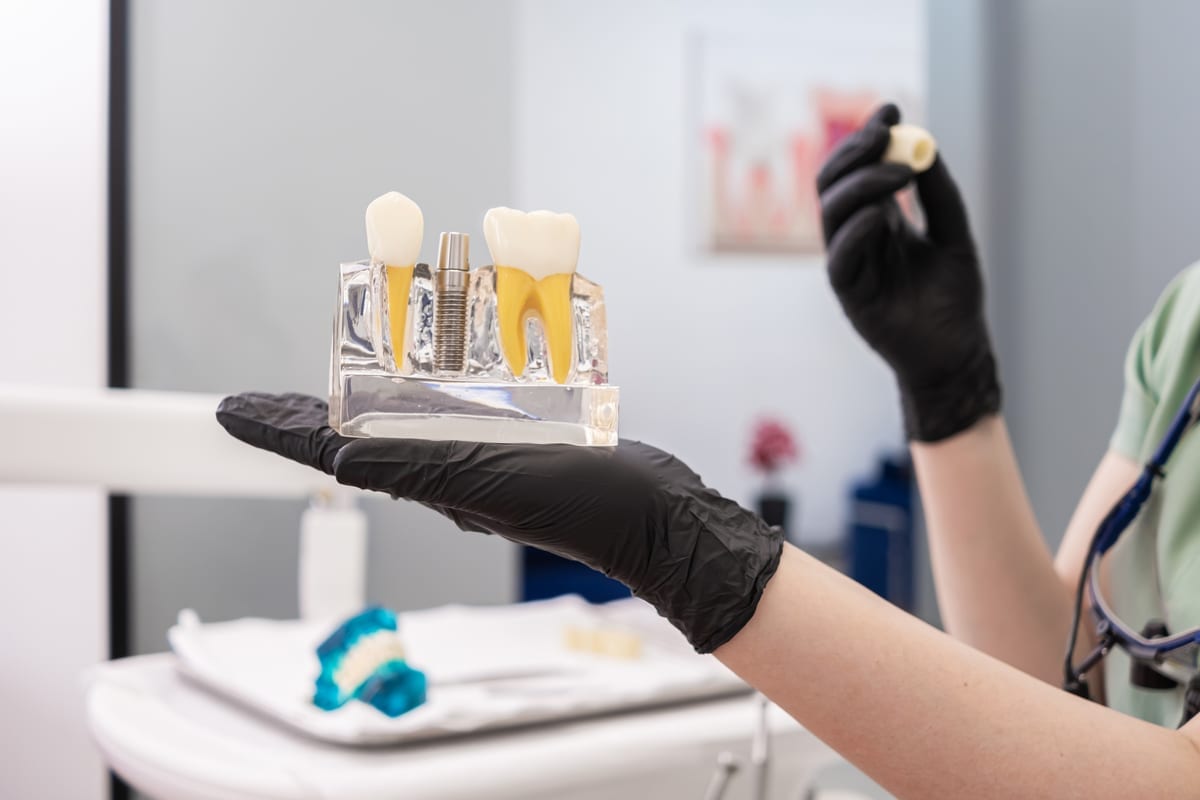
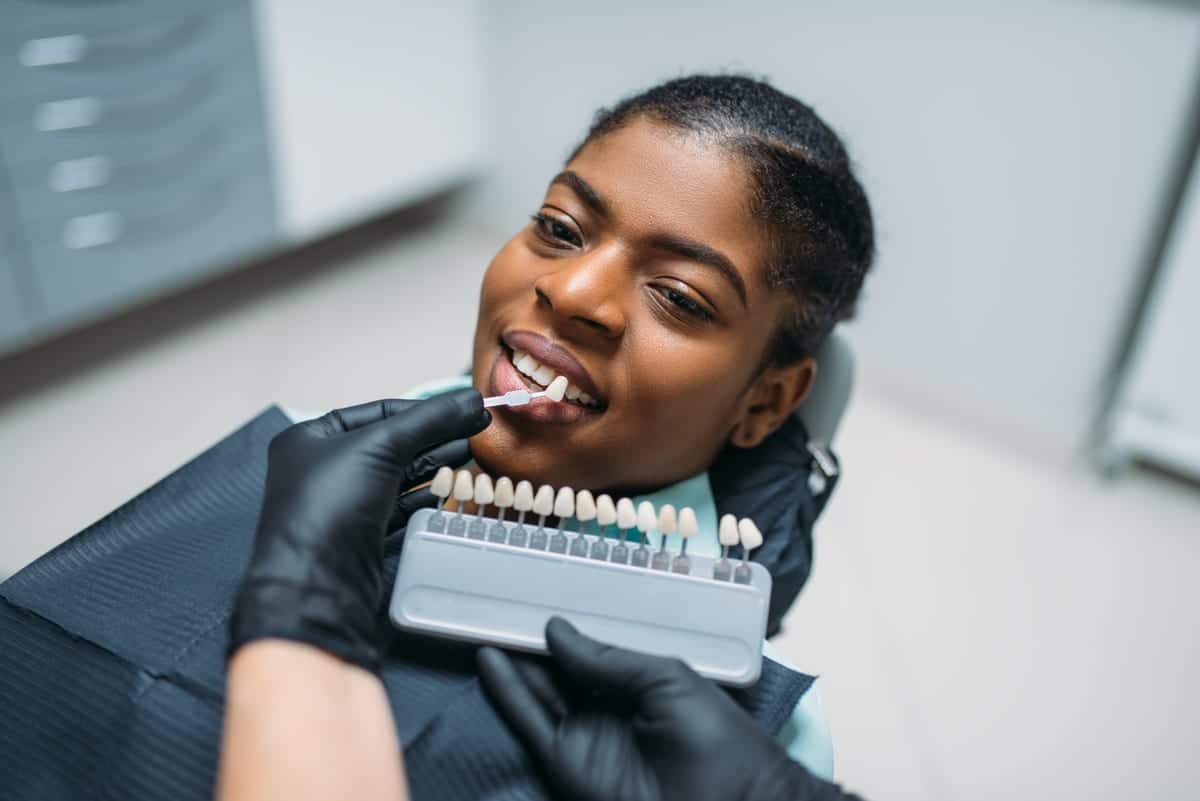
If restoring your smile’s appearance is also a priority, St Charles Family Dentistry offers Cosmetic Dentistry St. Charles services including veneers, teeth whitening, and Invisalign. A healthy tooth is the foundation — and once your root canal is complete, you have options to enhance how your smile looks too.
When to Call St Charles Family Dentistry Immediately
Some symptoms require same-day attention. Do not wait for a scheduled appointment if you experience any of the following:
- Severe, unrelenting tooth pain that disrupts sleep or daily function
- Visible swelling in your face, jaw, or neck
- Fever accompanied by tooth pain
- A tooth that has been knocked out or cracked in an accident
- A dental abscess that has ruptured or is rapidly growing
St Charles Family Dentistry offers emergency dentistry for situations like these. Dr. Perisin and his team understand that dental emergencies are stressful. They work to see urgent cases quickly and provide fast, effective relief.
If you are experiencing any of the five symptoms described in this article, do not wait to see if they improve. Early treatment protects your tooth, your health, and your peace of mind. Book Now to schedule your appointment with our team.
Frequently Asked Questions
How do I know if my tooth pain means I need a root canal?
Persistent or severe toothache, prolonged sensitivity to heat or cold, gum swelling, tooth discoloration, and pain when biting are the most common signs. Not all tooth pain indicates a root canal is needed, but these specific symptoms warrant a prompt evaluation by Dr. Perisin at St Charles Family Dentistry.
Is a root canal procedure painful?
Most patients report that the procedure is far less uncomfortable than they expected. Modern anesthesia numbs the area completely before treatment begins. You may feel mild pressure, but sharp pain is not a normal part of the experience. Post-treatment soreness typically fades within a few days.
What happens if I ignore a tooth that needs a root canal?
Ignoring an infected tooth allows the bacteria to spread. The infection can move into surrounding teeth, the jawbone, and in serious cases, the bloodstream. Delaying treatment also increases the likelihood that the tooth cannot be saved and will need to be extracted.
How long does a root canal take at St Charles Family Dentistry?
Most root canal procedures are completed in one to two appointments, depending on the complexity of the case. The initial treatment appointment typically takes about 60 to 90 minutes. A follow-up visit is usually scheduled to place a permanent dental crown over the treated tooth.
Can I prevent needing a root canal in the future?
Regular dental cleanings, thorough at-home oral hygiene, and prompt treatment of cavities are the most effective preventive measures. Wearing a mouthguard during contact sports also protects teeth from cracks that can lead to infection. Seeing Dr. Perisin twice a year for checkups gives you the best chance of catching problems early.