
Dental Implants: A Complete Guide to Tooth Replacement
Losing a tooth can affect much more than your smile. It can change how you chew, speak, and feel about yourself. Dental Implants are one of the most effective and long-lasting solutions available today. At St Charles Family Dentistry, our dental team believes that every patient deserves clear, honest information. This guide will walk you through how implants work, who qualifies, and what the process looks like from start to finish.
What Are Dental Implants?
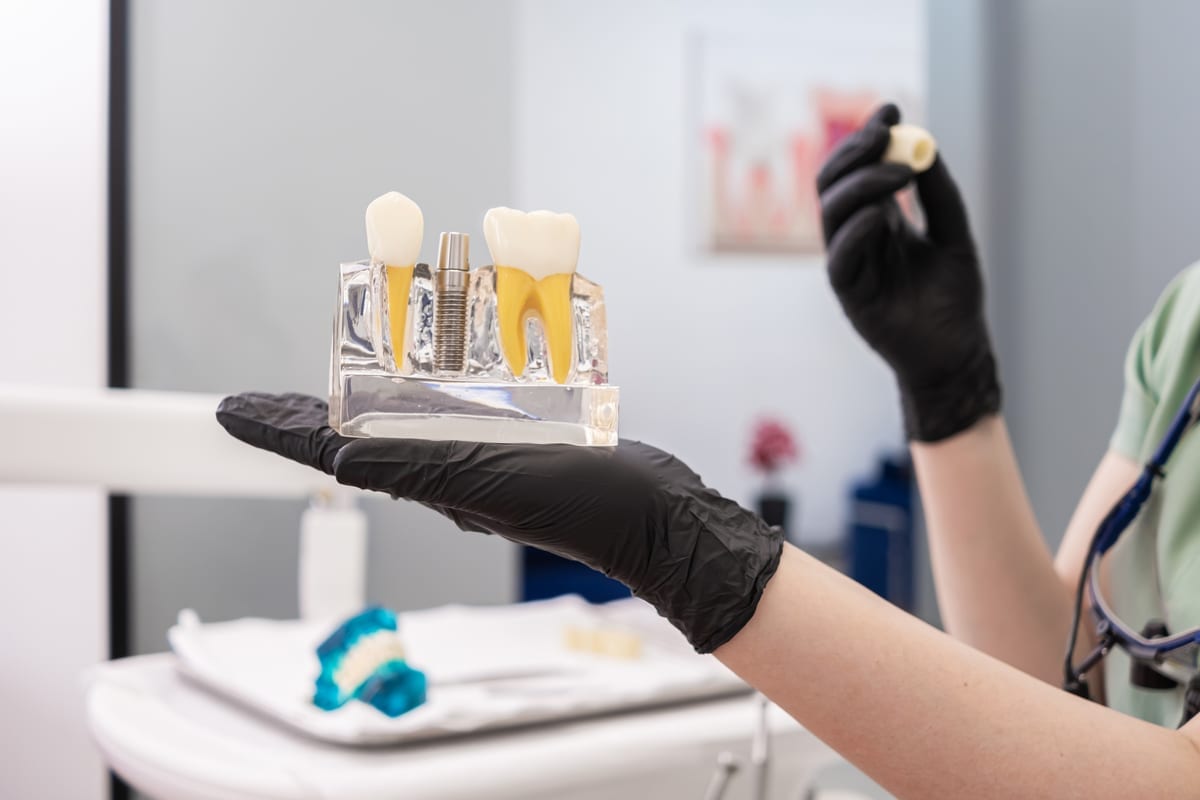
A dental implant is a small titanium post that replaces the root of a missing tooth. It is placed directly into the jawbone by a trained dental professional. Over time, the bone fuses with the post through a process called osseointegration. This creates a stable, permanent foundation for a replacement tooth called a crown.
Unlike dentures or bridges, implants do not rest on top of the gum. They function more like natural teeth. This makes them feel more comfortable and secure during daily activities. Many patients report that implants are difficult to distinguish from their natural teeth.
Who Is a Good Candidate for Dental Implants?
Most healthy adults with one or more missing teeth can be considered for implants. Ideal candidates have sufficient jawbone density to support the titanium post. Good gum health is also essential before beginning treatment. Your dental team will conduct a thorough evaluation to determine whether implants are right for you.
Certain health conditions may affect candidacy. Uncontrolled diabetes, active gum disease, or heavy tobacco use can slow healing. Younger patients whose jaws are still developing may need to wait. A personalized consultation helps identify the best path forward for each individual patient.
Understanding the Dental Implant Process
The implant process typically takes place over several months. Each stage is carefully planned to support healing and long-term success. Your dental team will take X-rays and possibly 3D scans before treatment begins. This helps map the exact placement of each implant with precision.
The first step is the surgical placement of the titanium post into the jawbone. A healing period of three to six months usually follows this step. During this time, the bone fuses with the implant. Once healing is complete, an abutment and custom crown are attached to finish the restoration.
Some patients may require a bone graft before implant placement. This is common when the jawbone has experienced some loss after tooth extraction. A bone graft adds density and volume to support the implant. Your dental team will explain whether this step applies to your specific situation.
How Dental Implants Compare to Other Options
Bridges and dentures are common alternatives to dental implants. Bridges involve crowning the teeth on either side of the gap. This requires reshaping healthy teeth, which some patients prefer to avoid. Dentures are removable and may shift during eating or speaking.
Dental implants preserve the jawbone by stimulating it just like a natural root. This helps prevent the bone loss that often follows tooth extraction. Neither bridges nor dentures provide this same level of stimulation. Over time, implants can actually support better long-term oral health outcomes.
Caring for Your Implants After Treatment
One of the biggest advantages of implants is how easy they are to maintain. You brush and floss them just like natural teeth. There are no special adhesives or overnight soaking routines required. Consistent oral hygiene keeps both the implant and surrounding gum tissue healthy.
Regular dental checkups are still essential after getting implants. Your dental team will monitor the implant, crown, and surrounding bone at each visit. Professional cleanings remove any buildup that brushing may miss. With proper care, implants can last for many decades.
Avoiding hard foods and not using teeth as tools helps protect your crown. If you grind your teeth at night, a mouthguard may be recommended. Smoking can still affect implant longevity even after successful healing. Discussing your full lifestyle with your dental team leads to the best outcomes. Learn more about our full range of dental services to support your long-term oral health.
What to Expect During Your Recovery
Some soreness and swelling are normal in the days following implant surgery. Most patients manage discomfort with over-the-counter pain relief. Soft foods are recommended during the initial healing phase. Your dental team will provide specific aftercare instructions tailored to your procedure.
Most patients return to normal activities within a few days. The full healing process, however, happens gradually beneath the surface. It is important not to rush any stage of recovery. Following your care instructions closely gives your implant the best chance of long-term success.
If you experience unexpected pain, swelling, or looseness, contact your dental team promptly. Early attention to any concerns helps prevent complications. Most implant procedures are highly successful when protocols are followed carefully. Our team is here to support you through every step of your healing journey. Visit our about page to learn more about our team and approach to patient care.
Is the Investment in Dental Implants Worth It?
Dental implants tend to have a higher upfront cost than other tooth replacement options. However, their durability often makes them more cost-effective over time. Bridges and dentures may need to be replaced or adjusted periodically. Implants, with proper care, can last a lifetime.
Beyond function, implants also restore confidence. Being able to eat, laugh, and speak without worry has real value. Many patients describe improved quality of life after completing their implant treatment. The long-term benefits often far outweigh the initial investment for many individuals.
Conclusion
Dental Implants offer a reliable, natural-feeling solution for missing teeth. They support your jawbone, restore your smile, and are simple to maintain. Understanding the process helps you feel confident in your decision. Our dental team at St Charles Family Dentistry is ready to answer your questions and guide you every step of the way. Learn More about how we can help you.
Frequently Asked Questions
How long do dental implants last?
With proper care and regular dental visits, dental implants can last 20 years or more. Many patients enjoy them for a lifetime. The crown attached to the implant may need replacement after 10 to 15 years due to normal wear. Good oral hygiene significantly extends the life of both the implant and the crown.
Is the dental implant procedure painful?
The procedure is performed under local anesthesia, so most patients feel little to no pain during surgery. Some soreness and mild swelling are common in the days following placement. Most patients find the discomfort very manageable with standard pain relief. Your dental team will provide detailed aftercare guidance to keep you comfortable.
How long does the entire implant process take?
The full process typically takes between three and nine months from start to finish. This includes healing time after the titanium post is placed in the jawbone. If a bone graft is needed, additional healing time may be required. Each patient’s timeline is unique based on their individual healing response.
Can dental implants fail?
Implant failure is uncommon but can occur. Risk factors include smoking, poor oral hygiene, and uncontrolled systemic health conditions. Signs of a problem include persistent pain, swelling, or a loose implant. Contacting your dental team early at the first sign of any issue gives the best chance of a successful outcome.
Are dental implants safe for older adults?
Yes, dental implants are generally safe for older adults in good overall health. Age alone is not a barrier to receiving implants. Bone density and gum health are more important factors than age. A thorough evaluation by your dental team will determine whether implants are a suitable option for you.