

Most patients in Geneva sit back and assume their hygienist is just polishing teeth. But there is a lot more happening during that appointment. Understanding what your hygienist is actually looking for during your cleaning in Geneva helps you appreciate why these visits matter so much. Dental Cleanings are one of the most powerful tools for protecting your long-term oral health. Let’s walk through exactly what happens — and why every step counts.
The First Look: What Happens Before the Scraping Starts
Before any tools come out, your hygienist takes a close look at your gums, tongue, and soft tissues. They are checking for anything unusual — swelling, redness, sores, or discoloration. This visual screening is a critical first step that patients often overlook entirely.
Your hygienist also reviews your health history and any changes since your last visit. New medications, health conditions, or lifestyle changes can all affect your oral health. This conversation shapes how the rest of the appointment is approached.
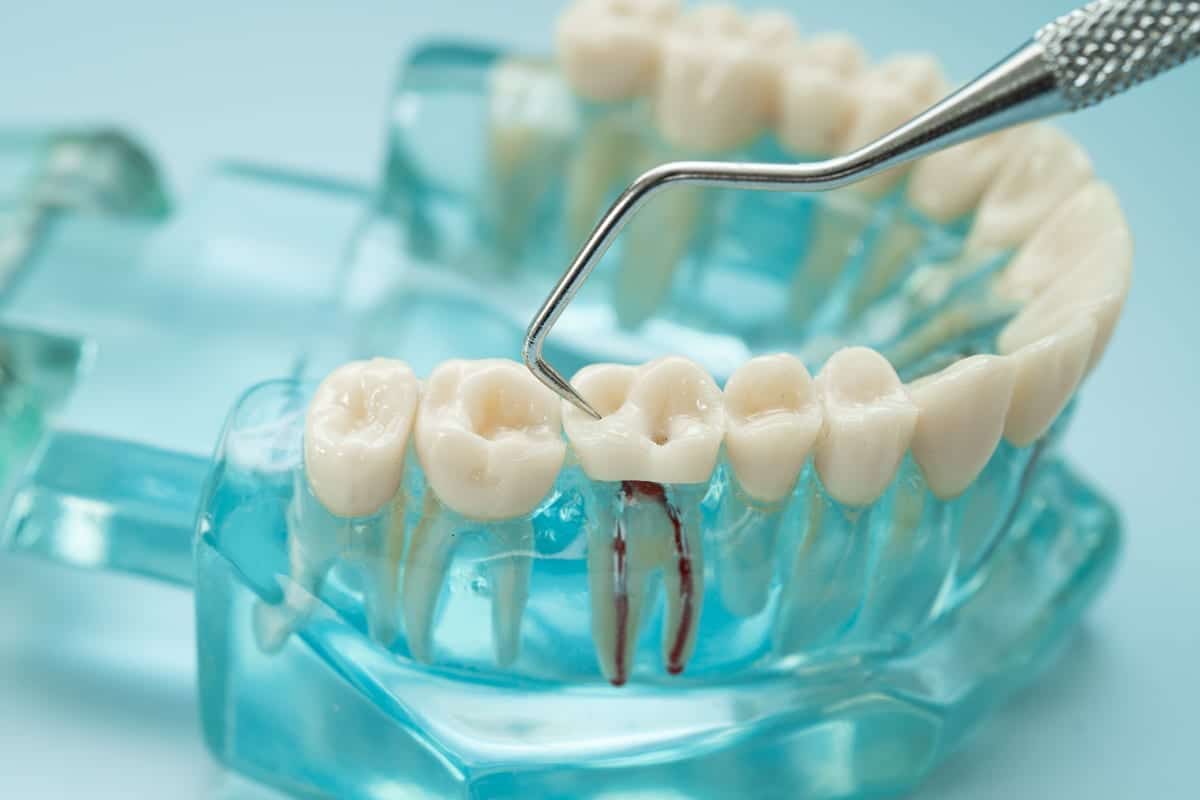
Next, your hygienist takes periodontal measurements using a small probe. They slide it gently along the gumline at six points around each tooth. Healthy pockets measure between one and three millimeters. Deeper readings signal early gum disease and require closer attention.
What Your Hygienist Is Actually Looking for During Your Cleaning in Geneva — Calculus, Plaque, and Buildup
Once the assessment is complete, your hygienist moves into scaling. This is the step most patients associate with scraping sounds. The tool being used is a scaler, and it removes hardened tartar — also called calculus — from tooth surfaces.
Tartar cannot be removed with a toothbrush at home. It forms when plaque hardens over time, typically within 24 to 72 hours. Your hygienist is trained to find it in spots you would never think to check yourself.
- Along the gumline, both above and below the tissue
- Between teeth where floss rarely reaches effectively
- Behind the lower front teeth, a common buildup zone
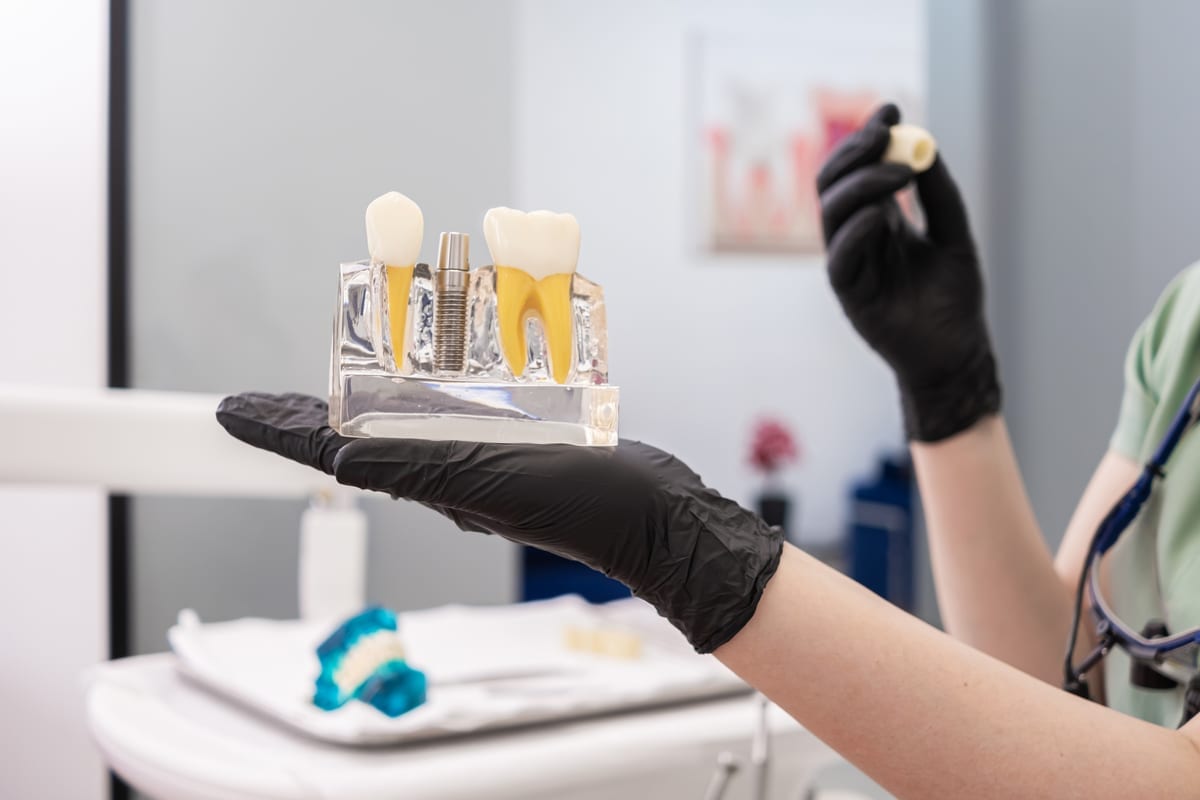
- Around dental restorations like crowns or implants
- On the inner surfaces of molars near the tongue
Many hygienists now use an ultrasonic scaler alongside hand instruments. The ultrasonic device uses vibration and a water spray to break up larger deposits. Hand scalers then fine-tune the surface and remove remaining debris.
Polishing, Flossing, and the Details That Make a Difference
After scaling, your hygienist polishes your teeth with a gritty paste called prophy paste. The rotating rubber cup buffs away surface stains and smooths the enamel. Smoother enamel is actually harder for plaque to cling to between visits.
Flossing follows polishing in most appointments. This is not just about removing food particles. Your hygienist is checking for tight contacts between teeth, bleeding, or areas where gum tissue seems inflamed. These observations get noted in your chart for future comparison.
Some patients ask about fluoride treatments at this stage. Your hygienist will recommend fluoride based on your individual risk for cavities. It strengthens enamel and is especially helpful for patients prone to decay or with sensitivity issues.
- Prophy paste removes surface stains and smooths enamel
- Flossing reveals bleeding patterns and gum health clues
- Fluoride provides a protective barrier against acid attacks
- Final irrigation rinses away remaining debris from the session
Reading the X-Rays and Spotting What You Cannot See
X-rays are typically taken once a year or as your dentist recommends. Your hygienist may take these images before the cleaning begins. They reveal problems hiding beneath the surface — between teeth, below the gumline, or inside the bone.
Your hygienist reviews X-rays alongside Dr. Perisin to flag concerns early. Bone loss, infections, cysts, and impacted teeth are all visible on X-rays before symptoms appear. Early detection almost always means simpler and less costly treatment.
After the cleaning, Dr. Perisin performs a comprehensive exam. He checks everything your hygienist has documented. Together, they build a full picture of your oral health and outline any next steps needed.
Beyond Cleaning: What Else Gets Evaluated at Your Visit
A professional cleaning appointment covers more than just your teeth. Your hygienist also screens for oral cancer during each visit. They check the floor of your mouth, your cheeks, your palate, and your throat for any suspicious lesions.
Bite alignment and jaw function are also assessed briefly. If you grind your teeth at night, your hygienist will likely see wear patterns on the enamel. This finding often prompts a conversation about a nightguard or other protective options.
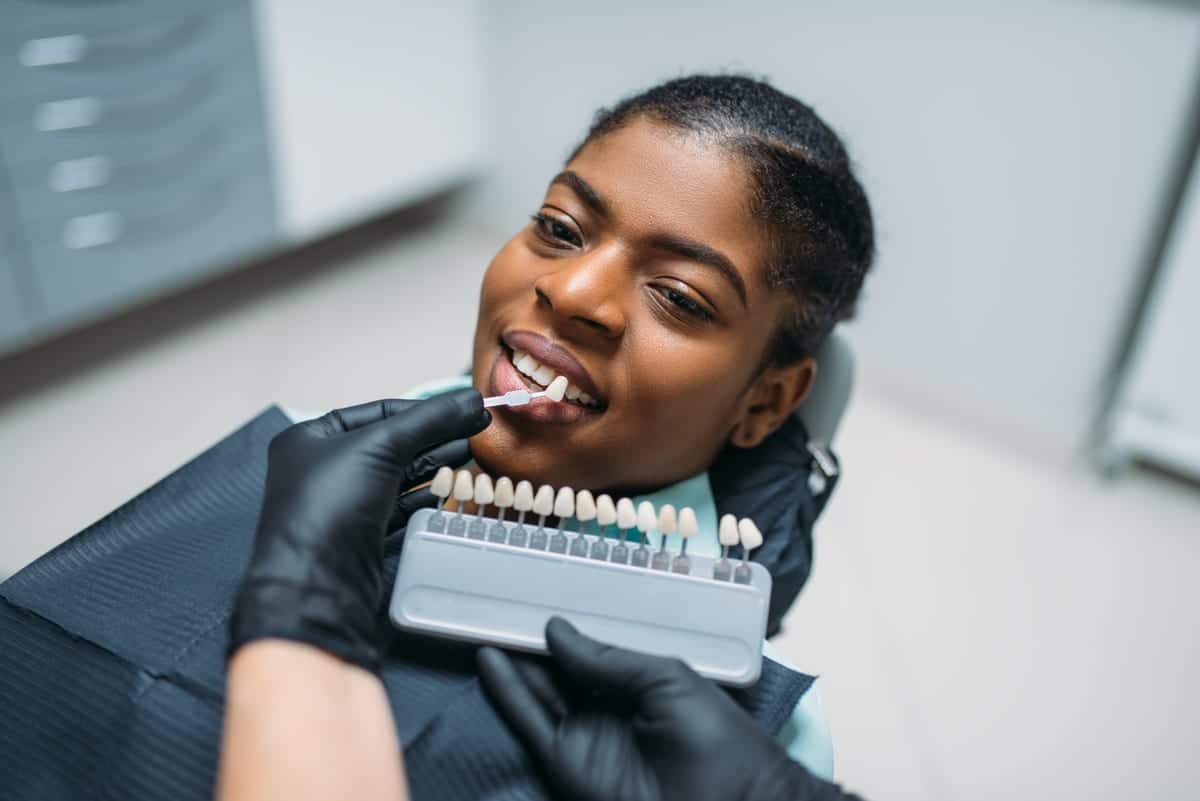
Patients interested in improving the appearance of their smile are often referred for a cosmetic consultation. Cosmetic Dentistry options like whitening, veneers, and Invisalign are frequently discussed after the hygiene visit is complete. It is a natural time to ask questions about your smile goals.
Before you leave, your hygienist will review home care recommendations tailored to your specific needs. Brushing technique, floss type, and rinse suggestions are all personalized. These tips are based on exactly what was observed during your appointment today.
Conclusion: Your Cleaning Is Much More Than a Polish
A professional cleaning at St Charles Family Dentistry in Geneva is a full oral health evaluation, not just a quick polish. Your hygienist is gathering data, removing harmful buildup, and flagging potential problems — all in one appointment. Each step connects to the bigger goal of keeping your smile healthy for life. Book Now to schedule your appointment with our team.
Frequently Asked Questions
How often should I schedule a professional teeth cleaning in Geneva?
Most patients benefit from a professional cleaning every six months. However, some patients with gum disease or a history of heavy buildup may need cleanings every three to four months. Dr. Perisin and your hygienist will recommend the right schedule based on your individual oral health needs.
Does a teeth cleaning hurt?
Most cleanings are comfortable and cause only minor sensitivity at most. If you have tender gums or significant buildup, you may feel some pressure or sensitivity during scaling. Your hygienist can adjust technique or apply a topical numbing agent if needed to keep you comfortable throughout the visit.
What is the difference between tartar and plaque?
Plaque is a soft, sticky film of bacteria that forms on your teeth daily. If plaque is not removed through brushing and flossing, it hardens into tartar — also called calculus. Tartar cannot be removed at home and requires professional scaling tools to eliminate safely.
Will my hygienist be able to tell if I have gum disease?
Yes. Your hygienist uses a periodontal probe to measure gum pocket depths around each tooth. Readings above three millimeters can indicate inflammation or early gum disease. Bleeding during probing is another key indicator. These findings are shared with Dr. Perisin during your exam for a full evaluation.
Can a cleaning improve the appearance of my teeth?
Professional polishing removes surface stains caused by coffee, tea, wine, and other foods. Many patients notice their teeth look brighter and feel smoother right after a cleaning. For more significant cosmetic improvements, your hygienist or Dr. Perisin can discuss professional whitening or other smile enhancement options available at our practice.