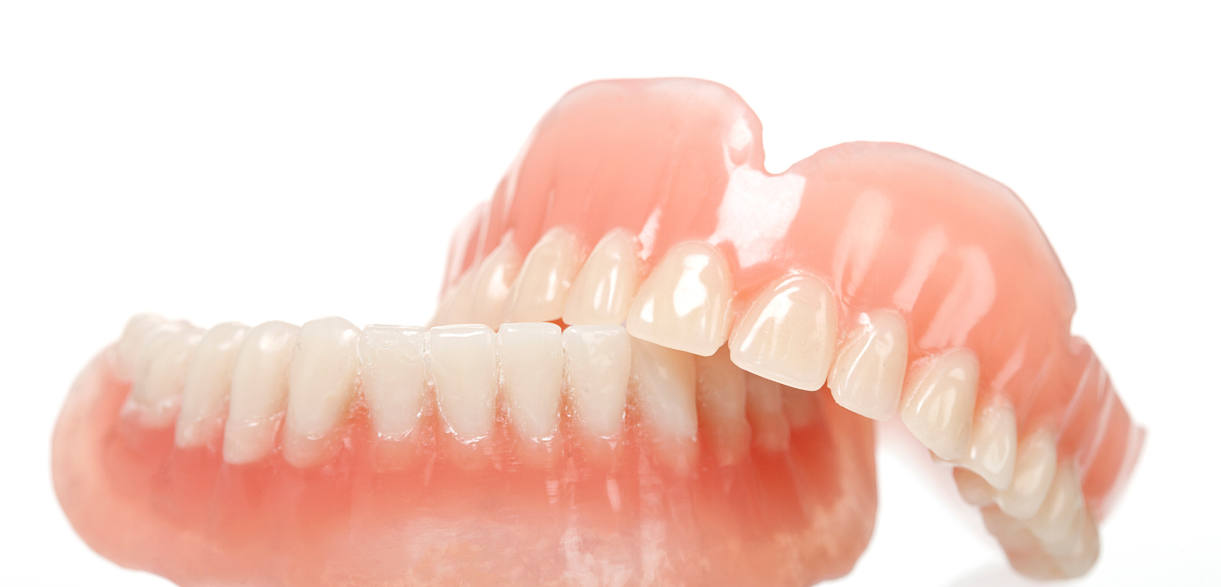

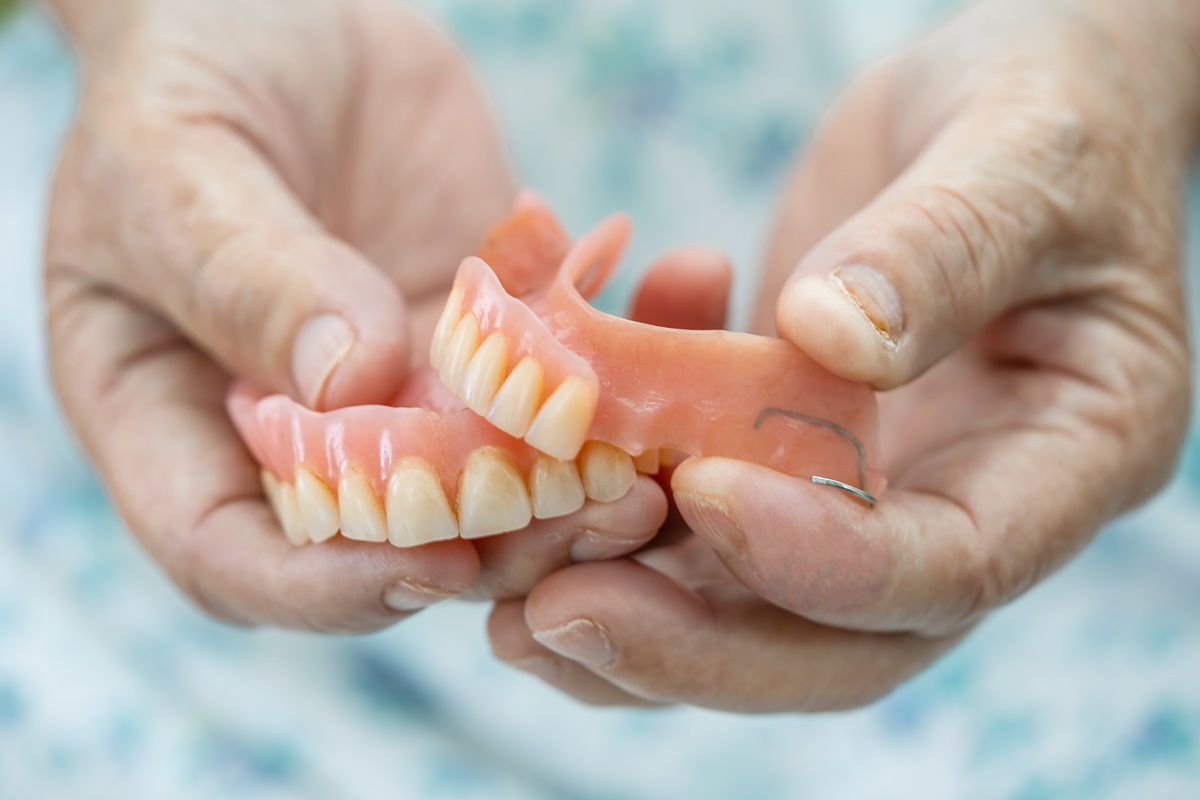
You sit down with a warm sandwich from a local spot near Main Street, take a bite, and pause. Something feels different. If you have recently started using dentures, this moment may feel familiar. One of the first questions that comes to mind is simple but important: “Will I have to give up my favorite foods?”
The good news is that you can still enjoy many of the meals you love. It just takes a little time and the right approach. Eating will feel different at first, but that does not mean it has to feel limiting. Most people adjust well and find their rhythm again.
In this guide, you will learn what foods feel comfortable, which ones need caution, and how to make eating easier day by day. If you live around St. Charles and enjoy local dining, this will help you feel more confident at your next meal.
The Truth About Eating with Dentures
It helps to start with a clear understanding. These appliances are designed to restore your ability to chew and speak, but they do not function exactly like natural teeth. That difference is where most of the adjustment comes from.
When you first begin, your mouth is learning something new. The muscles, tongue, and cheeks all work together differently than before. This adjustment phase is normal. Some people notice slight movement with dentures while chewing, while others feel mild soreness as their mouth adapts. These changes improve with time and proper care.
Another factor is bite strength. Natural teeth are anchored into the jawbone, which gives them strong support. Removable options sit on the gums, so the pressure is distributed differently. That means certain foods may feel harder to chew at first.
However, this does not mean your food choices are limited forever. With the right habits and patience, most people return to a wide range of meals. You may need to adjust how you eat rather than what you eat. Simple changes, like chewing evenly on both sides or taking smaller bites, can make a big difference.
The key takeaway is this: you are not losing your ability to enjoy food. You are simply learning a new way to do it. Once your mouth adapts, meals start to feel natural again, whether you are at home or enjoying dinner at a local St. Charles restaurant.
What Foods Can You Eat Comfortably with Dentures?
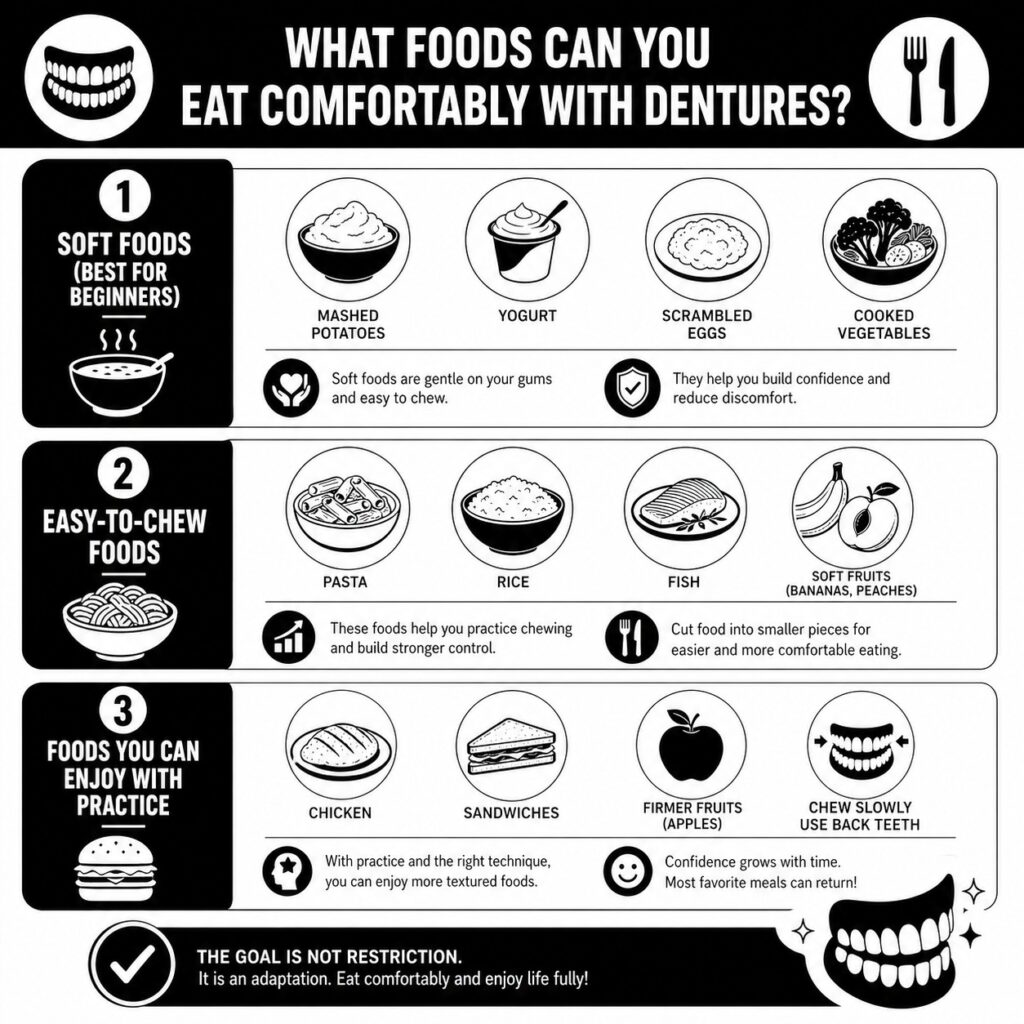
Soft Foods (Best for Beginners)
In the early days, softer foods make the transition smoother. Think of meals that require minimal chewing and feel gentle on your gums. Mashed potatoes, yogurt, scrambled eggs, and cooked vegetables are all great starting points.
These foods help you build confidence without putting pressure on your mouth. They are also easy to control while chewing, which reduces the risk of slipping or discomfort. If you are grabbing a quick bite from a café near the Fox River, options like soups or soft pasta dishes can feel more manageable.
During the first few weeks, sticking to softer textures allows your mouth to adjust naturally. It also helps you learn how to position food and chew evenly.
Easy-to-Chew Foods
Once you feel more comfortable, you can begin adding foods that require a bit more effort but are still manageable. Pasta, rice, fish, and soft fruits like bananas or peaches fall into this category.
These foods help bridge the gap between a soft diet and your regular meals. They give you a chance to practice chewing techniques without overwhelming your bite. You may notice that cutting food into smaller pieces makes this stage easier.
At this point, many people feel more confident dining out again. Whether you are visiting a local diner or enjoying a relaxed meal in downtown St. Charles, you can start exploring more menu options.
Foods You Can Enjoy with Practice
With time and consistency, you can reintroduce more textured foods. Chicken, sandwiches, and firmer fruits like apples become possible with the right approach.
The key here is technique. Instead of biting directly with your front teeth, use your back teeth and chew slowly. This keeps your bite stable and reduces movement.
Confidence plays a big role in this stage. The more you practice, the more natural eating will feel. Many patients find that they return to most of their favorite meals, including casual favorites from local eateries.
The goal is not restriction. It is an adaptation. Once you understand how to eat comfortably, your food choices open up again in a meaningful way.
Foods That Can Be Challenging with Dentures
Some foods require extra care, especially in the beginning. Sticky items like caramel or chewing gum can pull and shift your appliance. Hard foods such as nuts or hard candy may put too much pressure on your gums. Tough meats like steak can be difficult to break down, while crunchy foods like raw carrots or chips may feel unstable when you bite into them.
That said, these foods are not always off-limits. It is more about how and when you approach them. For example, cutting tougher foods into smaller pieces or choosing softer cooking methods can make them easier to manage.
It is important to listen to your body. If something feels uncomfortable, it is okay to pause and try again later. Over time, your confidence and control will improve.
Think of these foods as “approach with caution” rather than “never again.” With patience and the right techniques, you may find ways to enjoy them safely without discomfort.
Smart Eating Tips to Make Dentures Work Better
Small adjustments can make a big difference in your eating experience with dentures in St. Charles. One of the simplest steps is cutting food into smaller pieces. This reduces the effort needed to chew and keeps your bite more stable.
Chewing slowly and using both sides of your mouth helps distribute pressure evenly. This prevents tipping or shifting while you eat. It may feel unusual at first, but it quickly becomes second nature.
Try to avoid using your front teeth to bite into foods, especially early on. Instead, place food toward the back teeth where you have more control. This technique improves balance and comfort.
If you feel slight movement, a denture adhesive can provide added stability. Many patients find this helpful during the adjustment phase. Staying hydrated is also important, as a dry mouth can affect how well your appliance stays in place.
With these habits, eating becomes more predictable and enjoyable. Whether you are at home or dining out in St. Charles, these tips help you feel more in control of your meals.
How Long Does It Take to Eat Normally Again?
Every patient adjusts at a different pace, but there is a general timeline you can expect. During the first few days, your diet will likely stay limited to very soft foods. This gives your mouth time to recover and adapt.
Over the next few weeks, you can slowly expand your food choices. This is when you begin trying more textures and practicing your chewing technique. Progress may feel gradual, but each step builds confidence.
In the long term, most people return to a near-normal diet. You may still make small adjustments, but eating becomes much more comfortable. The key is patience.
If you rush the process, it can lead to frustration or discomfort. Taking your time allows your mouth to adapt naturally.
Living in a food-friendly community like St. Charles means there are plenty of dining options to explore. With steady progress, you can enjoy those experiences again without hesitation.
Signs Your Dentures May Need Adjustment
While some discomfort is normal in the beginning, ongoing issues should not be ignored. Pain or sore spots while eating may indicate that your appliance needs adjustment.
Slipping or clicking sounds during meals can also be a sign that the fit is not ideal. This can make eating feel unstable and frustrating.
If you struggle to chew even soft foods, it is worth having your fitness evaluated. Eating should become easier over time, not more difficult.
These signs are your body’s way of telling you something needs attention. Addressing them early can prevent bigger issues later.
At St. Charles Family Dentistry, adjustments are a routine part of care. A proper fit can make a noticeable difference in comfort and function.
Do not wait for discomfort to become a daily problem. Getting the right support helps you return to comfortable eating sooner.
Can Implant-Supported Dentures Improve Eating?
For some patients, traditional removable options may not provide the level of stability they want. This is where implant-supported solutions can make a difference.
Unlike removable options, these are anchored into the jawbone, which creates a more secure fit. This added stability allows for a stronger bite and better control while chewing.
Many patients notice that they can enjoy a wider variety of foods without worrying about slipping. Meals feel more natural, and confidence improves.
This option is not for everyone, but it can be worth exploring if you are struggling with comfort or stability.
At St. Charles Family Dentistry, patients often ask about long-term solutions that improve daily function. Implant-supported options can be part of that conversation.
The goal is simple: to help you eat comfortably and enjoy your meals again without hesitation.
Adjusting to a new way of eating takes patience, but it gets better. Most people regain their confidence and return to meals they enjoy with time and practice.
The key is to take it one step at a time. Start with softer foods, learn the right techniques, and gradually expand your choices.
If something does not feel right, do not ignore it. Regular checkups and small adjustments can make a big difference in your comfort.
At St. Charles Family Dentistry, the focus is on helping you feel comfortable in your daily life, including at the table.
Are you ready to enjoy your meals again with confidence? Schedule your visit today and take the next step toward comfortable, stress-free eating.
What People Ask
Can you eat normally with dentures?
Yes, most people return to a near-normal diet over time. It takes practice and patience. Starting with soft foods and gradually adding more textures helps your mouth adjust and improves comfort while eating.
How do you chew properly with dentures?
Chew slowly and use both sides of your mouth evenly. This helps keep your bite stable and prevents shifting. Taking smaller bites also improves control and makes eating more comfortable.
Can dentures slip while eating?
Yes, slight movement can happen, especially early on. Using proper chewing techniques and, if needed, a denture adhesive can help improve stability and reduce slipping during meals.
How long does it take to adjust to dentures?
Most people adjust within a few weeks. Eating becomes easier as your mouth adapts. Starting with softer foods and practicing good habits helps speed up the process.
What should you do if eating feels painful?
Mild discomfort is common at first, but ongoing pain is not normal. If you experience soreness or difficulty chewing, it is important to have your fit checked and adjusted.