

As we age, our dental treatment procedures also change. Senior patients often have new and challenging needs that are not those of young patients. Some older patients often have dental issues, such as tooth loss, wear, or damage from years of use. For patients seeking an alternative to extraction and/or dentures, dental implants are an innovative option for tooth restoration.
You may wonder whether age affects the success of dental implants, even in older adults. Fortunately, age is not a determining factor in the success of endosseous implants. The fact is that older adults can also enjoy the long-term benefits of implants if they are in good health and follow a physician’s or dentist’s advice. In this blog, you will learn how older adults can also benefit from implants, as well as the factors that affect their success.
At St Charles Family Dentistry, we are committed to helping patients of all ages restore their smiles with reliable, long-lasting dental implant solutions.
What are Dental Implants?
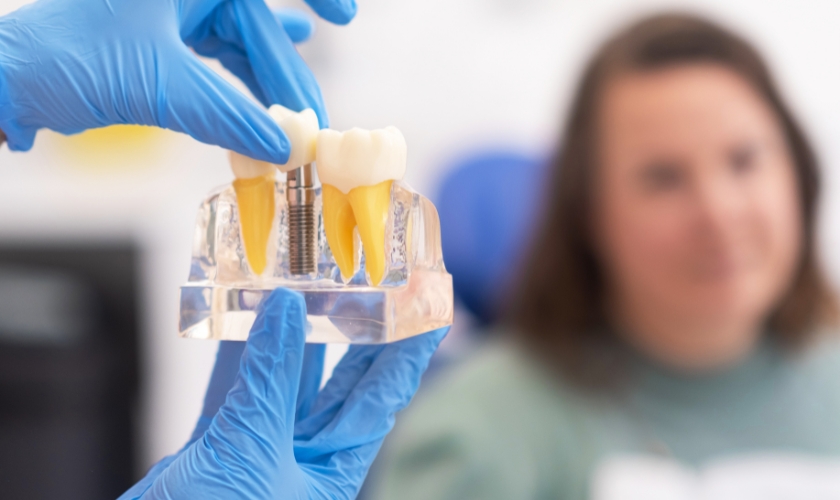
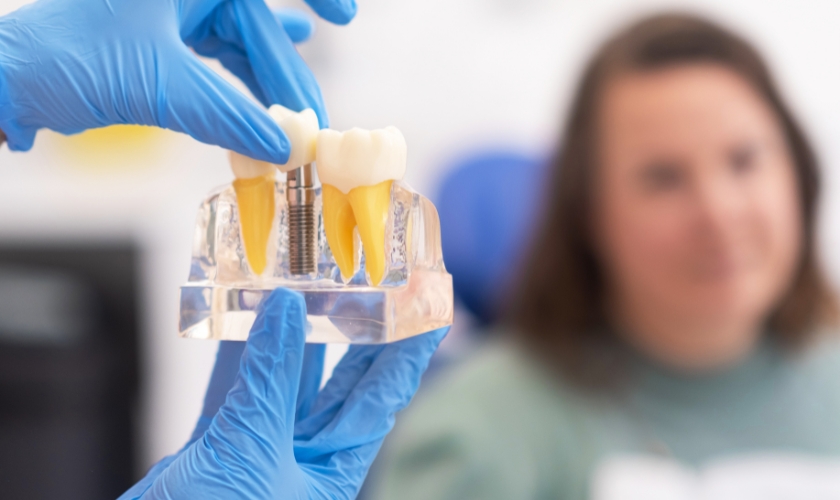
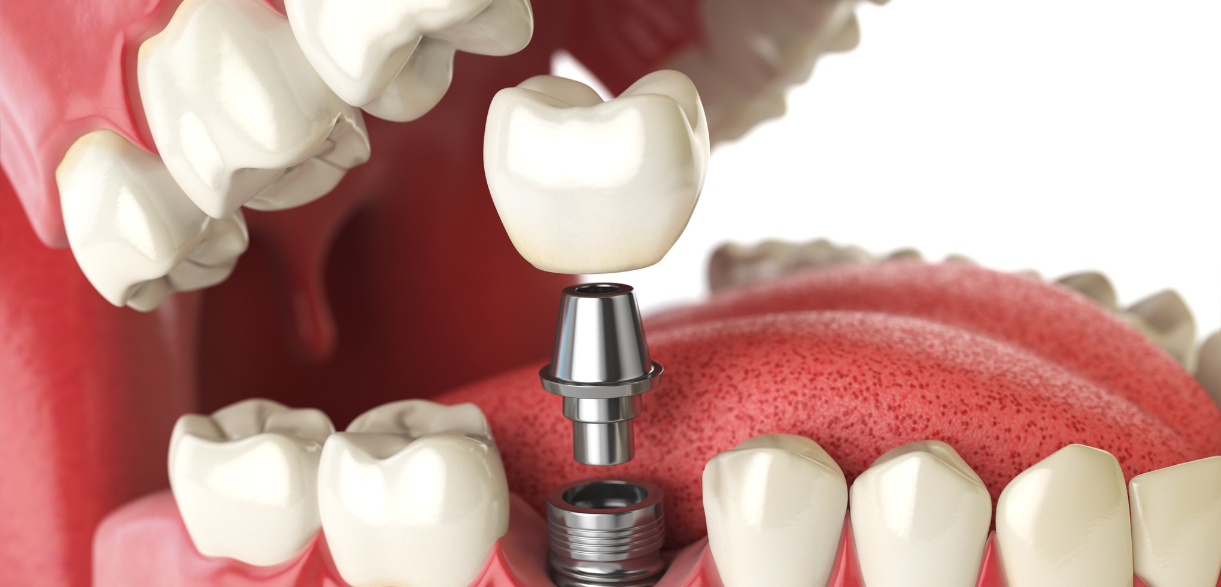
Dental implants, or endosseous implants, are a contemporary means of permanently replacing missing teeth. The implant comprises a titanium rod surgically implanted into the jawbone. The implant acts as the root of a tooth. Over time, these implants become part of the jawbone through a process called osseointegration. After the implant has fully incorporated into the jawbone, a dental crown can be fitted.
Implants are very safe and long-lasting. They also feel very natural in the mouth. Implants are quite helpful in preserving the health of the jawbone. This makes them suitable for many seniors.
Dental Implants Process
The dental implant treatment is a carefully planned series of steps for effectively replacing missing teeth. Today, dentists can successfully replace missing teeth and restore oral function for many patients. Here’s a process of how dental implants can be achieved for missing teeth:
Initial Consultation and Evaluation
Your dentist will examine the state of your dental and gum tissue, as well as your jawbone. X-rays or 3D imaging may be required to properly plan the dental procedure and ensure sufficient bone mass is available to support an implant.
Implant Placement Surgery
Secondly, the titanium rod is surgically inserted into the jawbone. Normally, this is performed under local anesthesia to ensure patient comfort.
Healing and Osseointegration
Once the surgery is complete, it takes months for the implant to integrate with the bone tissue, a process called osseointegration. This helps create a strong base for the tooth.
Final Restoration
After full integration of the implant, a personalized crown, bridge, or denture is placed on it to complete the restoration.
Benefits of Implants for Seniors
Dental implants go beyond tooth replacement. They offer numerous advantages, especially among the senior population. Here’s a brief look at the key benefits of the treatment:
1. Enhanced Comfort and Support
Unlike dentures, which can slip or irritate, endosseous implants are secured in the jawbone, making them extremely comfortable and allowing seniors to eat and talk with ease.
2. Body Preservation
However, with tooth loss, the bone that supported them begins to shrink. Implants help keep the bone intact by stimulating it, much as natural teeth do. This prevents the bone from further shrinking and is of immense benefit to older people, as it supports facial structure and aesthetics.
3. Long-lasting Solution
Endosseous implants are meant to last a lifetime when properly maintained. For seniors, this is a huge advantage, since they won’t have to deal with the inconvenience of replacing or adjusting dentures. This is a one-time investment.
4. Improved Quality of Life
Dental fixtures are also useful for performing daily tasks, such as eating favorite meals and conversing with family and friends. Doing this will improve self-esteem and, therefore, ensure that a healthy social life is attained and maintained.
Factors to Consider Before Going for Dental Implants
While elderly individuals contemplating dental implant placement should be conscious of several considerations for a successful outcome before going forward with the procedure, these include:
1. Adequate Bone Density
As mentioned earlier, for endosseous implants to succeed, a certain amount of bone must be present in the jaw. However, in cases of bone loss, other procedures may also be required to increase jawbone density.
2. Existing Medical Conditions
For older patients who have conditions like uncontrolled diabetes, heart problems, or any serious health issue, it’s best to consult their healthcare provider regarding their suitability for surgery. These patients can also consult their implant dentist to get appropriate advice regarding their case.
Maintenance and Care
Implants incur the same cleaning costs as natural teeth, so patients brush, floss, and visit dentists regularly. The elderly must be ready to take care of their implants to ensure they last a lifetime.
Recovery Time
Although dental implant procedures are generally quite tolerable, senior citizens may find that their healing time is a bit longer. This is especially the case if bone grafting is involved.
Is Age a Factor in Dental Implant Success?
The age alone is not a hindrance to a successful dental implant procedure. However, several issues require consideration to achieve effective treatment and maintain oral health. The factors are:
- Bone Health: An implant must have adequate bone density to integrate successfully. With aging, one can potentially lose bone, but this can be corrected by bone grafts, making implants a possible option.
- General Health: Conditions such as diabetes and/or osteoporosis may influence healing, but won’t necessarily disqualify you for implants. Your dental surgeon will create a customized treatment plan according to your needs.
- Gum Health: Gum health is a major factor in dental implant success. Gum disease needs to be addressed prior to tooth implants. Gum assessments are important for determining implant readiness.
Boosting Your Smile During Your Golden Years
Dental implants provide the senior population with the final solution for tooth loss, improving both functionality and aesthetics. With endosseous implants, age is not an impediment to obtaining this form of dental work as long as one’s oral health is in the right condition and the density of one’s bones is adequate.
If you are considering dental implants, contact us at St. Charles Family Dentistry to schedule an appointment. Our team understands that each patient’s needs are unique and is ready to guide you at every step of your restoration journey. We offer care that’s tailored to your specific needs.
Questions People Ask About Dental Implants
1. Are dental implants safe for seniors?
Yes, dental implants are safe for most seniors. The key factors for success are healthy gums and adequate bone density. An implant dentist can evaluate these factors and determine if dental implants are a good option.
2. How long does it take to recover from dental implant surgery?
Recovery time varies but typically takes a few months. Initial healing occurs in a few days to a week, but the full integration of the implant into the jawbone may take several months. Regular follow-ups will help monitor progress.
3. Can seniors with osteoporosis get dental implants?
Yes, seniors with osteoporosis can still receive dental implants. However, bone grafting may be necessary to ensure that there is enough healthy bone to support the implant. Your implant dentist will assess your bone density and recommend the best plan.
4. How long do dental implants last?
Dental implants are designed to last a lifetime with proper care. Good oral hygiene, regular check-ups, and avoiding habits like smoking can help prolong the life of your implants.
5. Can seniors with dentures switch to dental implants?
Yes, many seniors who currently wear dentures can switch to dental implants for a more permanent solution. Implants can replace dentures, providing greater comfort, stability, and a more natural feel, improving overall quality of life.